

Ultralight gear has exploded in popularity among backpackers. Hikers want to go further, faster, with less weight, and brands are meeting the demand with cutting-edge ultralight innovations in backpacks, sleeping bags, pads, pillows, tents, water filters, and more. However, when you see the price tags of some of the equipment and the lengths people go to cut ounces, it’s easy to get turned off to the whole idea.
It doesn’t have to be that way, though. For backpackers, going ultralight is easier (and less expensive) than you might expect. We stepped back to drum up some easy tips, tricks, and trail hacks for reducing pack weight for weekend backpacking trips and thru-hikes alike.
Every ounce you cut from pack weight will make you faster and more comfortable on your feet. After years of honing my kit, I have a few ideas on what to bring (and what to leave behind) to help hit that minimum trail weight, without necessarily breaking the bank.
Ultralight Backpacking Kit: Tips to Cut Weight & Be Prepared
Full gear layout; (photo/Xiaoling Keller)
Skip the Stove, Eat ‘Cold’
The easiest way to drop weight from a “kitchen” setup is to simply leave the whole stove at home. In summer, it’s not that bad. Eat cold food, including reconstituted meals like oatmeal or simpler items such as summer sausage, hard cheese, nuts, and even packed sandwiches. I drink coffee cold, too, using Starbucks Via packets in a mug.
Tip: Those “add boiling water” dehydrated food pouches? Many can be prepared with cold water — aka “cold soaking.” You simply need to let the H2O sit for 30–45 minutes inside the packet to slowly “cook” the meal.
Use a Minimalist Alcohol Stove
Not ready to leave fire and warmth behind? We get it. Search the recycling bin for another option and turn a soda can or cat food can into a mini stove. (Instructions to make ultralight alcohol stoves are available at pages like The Soda Can Stove and Andrew Skurka.)
You can purchase these simple stoves for about $30 as an alternative to making them yourself, including stoves like the TOAKS Siphon at REI and the Trangia Spirit.
Backpacking Stove
Add a few ounces (but a lot of convenience) with a made-for-backpacking ultralight stove. I like the Snow Peak LiteMax and MSR’s PocketRocket 2. You need to bring a fuel canister and a small pot, but these setups allow your food to warm up quickly without incurring a significant weight penalty.
Find your perfect stove in GearJunkie’s guide to the Best Backpacking Stoves.
Skip the Cooking Pot
Heating or boiling water does not necessitate a traditional cooking pot. I put my 600mL Snow Peak mug, which is made of titanium, right onto the stove flame. I can then heat water and drink or eat from the same small vessel. A cheaper option, for less than $10, is a Grease Pot from Walmart.
Ditch the Nalgene — Go With a ‘Disposable’ Bottle
Though standard on many trails, a 1L Nalgene bottle weighs 6.3 ounces empty. A lighter option is a 750mL plastic bottle from your local gas station; it weighs a mere 1.3 ounces. Now, that’s weight savings!
Powerade or Gatorade bottles work great, too. They have wider mouths and are a bit sturdier (but also a bit heavier). Smartwater bottles are iconic on trails because they’re lightweight and slim enough to fit in almost any pack bottle pocket. You can use these “throwaway” bottles dozens of times.
Upgrade to a Platy Bottle for the commercial option. These 2L soft bottles have a threaded cap and weigh almost nothing in a pack.
Water Filtration Options
Full filter bags, Nalgene for size; (photo/Xiaoling Keller)
My two favorite options for getting water outdoors include the Sawyer Squeeze, which gives immediate access to drinkable water (either straight from the Sawyer or as an in-line to a bladder), and Aquamira tablets, which require a brief wait time, but no squeezing.
Tip: If you choose the Sawyer Squeeze, discard the pouches (they’re difficult to fill and prone to tearing). Replace them with a light plastic bottle for straight-from-the-bottle drinking.
Check out even more lightweight water filtration options in GearJunkie’s Best Backpacking Water Filters guide.
Clothes: One Outfit Only
Extra clothing weighs many backpackers down. Wearing a good top and bottom layer for hiking, and packing some “sleep clothes” (which double as cold-weather layers) means no need to pack multiple outfits.
For a three-season kit, include a midlayer, rain layers, and a light down jacket. Add a light fleece hat or Buff, too, to keep your head warm at night.
Check out GearJunkie’s guide to the Best Sun Shirts for solid backpacking options.
2 Pairs of Socks
Darn Tough socks are among the most durable we’ve tested; (photo/Heather Balogh Rochfort)
Two pairs should do the trick. Keep one as your hiking pair and one as your camp/sleep pair. I like merino wool.
Check out more in GearJunkie’s Best Hiking Socks roundup.
Trash Bag Trick
A pack cover is not necessary to keep my gear dry. Instead, I use a trash-compactor bag, which is far cheaper than a manufactured rain cover or dry bag. Put one in your pack for all of your “must not get wet” items, twist it closed, and done. It’s cheap, waterproof, and durable.
Tape Stick
You don’t need the whole roll of tape, but it’s good to have some on you. Take what you need and wrap it around a cut-down straw or on your trekking poles. You can fit multiple types of tape (duct, medical, electric, Leukotape, etc.) on the same stick/pole.
Ground Sheet
Tyvek is a thin industrial tarp material available on Amazon. It can be used as a lightweight barrier between you and the ground for sleeping (tent or bivy) or simply sitting. It is strong, lightweight, and cheap. Although, don’t expect it to have an impressive R-value, as it is not insulated.
For cowboy camping (aka camping without a tent) or in a floorless tent, this is a very useful item.
Ziploc Bags
Need a cheap waterproof option for on-trail storage? Look no further than Ziploc. If you need to protect a phone, key, ID/bank card, or cash (no need to carry your whole wallet), these are great lightweight ways to protect and organize your odds and ends.
Basic First Aid
There’s no need for one of those premade medicine kits with 30 things you’ll never use. Grab a Ziploc bag and head to the pharmacy section.
Pick out the items that are important to you, such as ibuprofen, stomach medicine, medical tape, and other blister treatments.
Safety on Trail
Going lighter doesn’t have to mean sacrificing safety gear and essentials. In fact, going lighter will improve balance and relieve pressure on joints and bones, decreasing muscle fatigue and conserving energy.
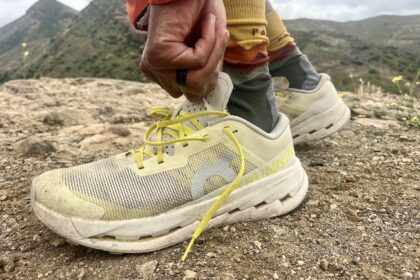
Go with lighter shoes (trail runners as opposed to hiking boots), and you’ll have a better feel for the terrain and a decreased chance of blisters. You’ll also have an easier time hiking to safety with a lighter pack when that unexpected thunderstorm is bearing down.
Follow these tips to keep the wind in your sails and the weight out of your pack.
Leave the Pillow
Stuff your extra layers or puffy jacket into a stuff sack and use it as a pillow. Some puffy jackets even stuff into their own pockets and make for a great place to rest your weary head. Inflatable or foam pillows are a nice luxury item, but not a necessary one.
Does ultralight enhance the joy of backpacking, or detract from it? Your mileage may vary; (photo/Nick Ramey, Shutterstock)
Tracking Gear Weight
Get nerdy! Use a spreadsheet or apps like LighterPack.com to list all your gear and monitor its weight. It’s eye-opening to see where you can save the most.
It’s also useful for comparing products you’re shopping for and calculating how much different options might add or detract from your base weight.
DIY Stuff Sacks
Repurpose old clothes or mesh laundry bags as ultralight stuff sacks instead of pricey brand-name ones. You can also use plastic grocery bags. Get creative!
Use a Poncho, Not a Rain Jacket
A poncho can double as a rain shelter, ground sheet, or pack cover. Plus, they’re usually lighter than jackets.
Sleep System: Quilt, Not Bag
Traditional mummy sleeping bags are heavy and bulky. Ultralight quilts save weight by cutting out the underside insulation you compress anyway.
Brands like Enlightened Equipment and Outdoor Vitals specialize in them. GearJunkie has also reviewed quilts like the Katabatic Alsec 22 and the Feathered Friends Flickr Ultralight Quilt.
Foam Pad
Foam pads like the Therm-a-Rest Z Lite or Gossamer Gear Thinlight weigh less than inflatables, won’t pop, and double as sit pads.
For other lightweight backpacking sleeping pads, check GearJunkie’s guide to the Best Backpacking Sleeping Pads.
Share Gear When Possible
Hiking with a partner? Share the load. You only need one stove, one water filter, one map, etc. Divide the weight and conquer.
Cut Off All Tags
You want to really get serious about cutting grams? Even cutting tags can help. It all adds up when applied across all your gear.
Eat High-Calorie Foods
The car trunk full of food and extra gear; (photo/Xiaoling Keller)
Carry calorie-dense foods like peanut butter, trail mix, nuts, cheese, and olive oil. You’ll carry less food weight overall if your meals carry you further.
Leave the Book, Use Your Phone
Books are heavy. Save weight by reading digitally or listening to audiobooks downloaded to your phone.
Multiuse Gear Is King
In the Hitchhiker’s Guide to the Galaxy, a towel is recommended as the most useful item a traveler can carry. Why? Because it’s a blanket, a mop, a sun shade, a towel (of course), and so much more. Apply that same mindset to your gear.
Bandanas are similar to towels in that they can serve as a rag, pot holder, headband, or even a first-aid dressing. Think versatility for everything you pack.
Navigate With Apps
Use Gaia GPS, FarOut, or AllTrails (download offline maps) to save weight over carrying paper guidebooks or maps. Just make sure you also have the ability to charge your devices (which also adds weight). Otherwise, if your phone dies, you are S.O.L.
Dry Feet Daily
Remove socks at lunch and let your feet breathe. Dry feet prevent blisters and keep morale high.
Cowboy Camp
We mentioned this earlier. But if the forecast is clear and bugs are mild, cowboy camping (camping without a tent) is liberating. It also saves weight, as all you need to carry is a ground tarp — or one of those Tyvek ground sheets we covered above.
Switch to Trail Runners
Trail-running shoes dry faster, weigh less, and are more comfortable than heavy boots. Your legs will thank you.
Find the perfect fit in GearJunkie’s guide to the Best Trail Running Shoes.
Ditch the Deodorant
Hygiene on the trail matters, but deodorant isn’t necessary. Baby wipes or a quick rinse are all you need.
Pack Trowel
If you’re pooping in the woods, you need to dig a cathole. The TentLab The DirtSaw #2 Trowel is ultralight and tough. It’s an essential to any ultralight kit.
Lightweight Headlamp
GearJunkie’s team of testers lights up the night while reviewing the best headlamps of 2025; (photo/Eric Phillips)
Some headlamps weigh over 4 ounces. Consider a Petzl Swift LT (1.5 ounces). You can also use a rechargeable keychain light or rely on your phone’s flashlight (though neither will have much range).
Trim Toiletries: Essentials Only
Bring travel-sized toothpaste, cut your toothbrush in half, and skip the extras. A tiny drop of Dr. Bronner’s soap goes a long way.
Minimalist ‘Wallet’
No need for your full wallet. Bring just your ID, insurance card, and one credit card. Keep them in a Ziploc or secured with a rubber band.
Camp Shoes: Skip or Skimp
Some ultralighters skip camp shoes to save weight. Others bring Crocs or 2-ounce sandals for comfort. Decide what’s worth it to you.
Use a Short Sleeping Pad
A torso-length pad under your shoulders and hips can work great. Put your backpack under your feet for insulation. You can either cut foam to make your own or search for products like the Klymit Static V Junior Sleeping Pad.
Cut Pack Straps
Snip off unused straps or buckles on your backpack. You might be able to save as much as 2-5 ounces this way.
Ultralight Packs
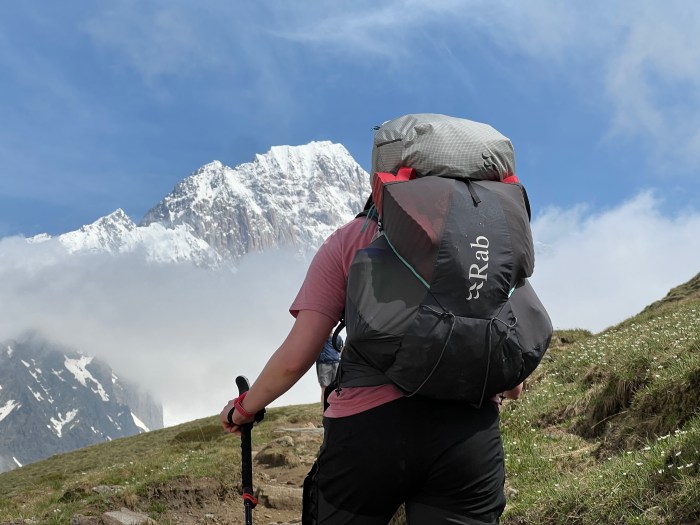
Try packs from brands like Gossamer Gear, Hyperlite Mountain Gear, or Zpacks — many weigh under 2 pounds.
Check out GearJunkie’s guide to the Best Ulralight Packs for some options.
Tarp or Bivy
Instead of a tent, a simple tarp and bivy system can weigh less and offer greater flexibility in your camping setup. It allows for cowboy camping, but still leaves the option for shelter if needed.
Ultralight Trekking Poles
Crossing a stream in the Alps carrying LEKI Black Carbon FX trekking poles; (photo/Sean McCoy)
Carbon-fiber trekking poles from brands like Gossamer Gear or Black Diamond save weight and reduce fatigue on steep terrain.
See GearJunkie’s guide to the Best Trekking Poles for options.
Emergency Cash
Keep a $20 bill or two in a waterproof location in your pack. It’s light insurance for emergencies, such as hitchhiking into town.
Repackage Everything
Take food out of boxes and repackage it into Ziplocs. Cut down the bulk, save space, and reduce trash weight.
Mail Yourself Supplies
For thru-hikes, consider using mail drop boxes to resupply on items like food and batteries. You save serious weight by not carrying it all at once. It just takes some planning ahead.
Time Your Water Resupplies
Xiaoling filtering water with the LifeStraw Peak Series Collapsible Squeeze 1 L Bottle with Filter; (photo/Chandler Keller)
Know where water sources are and how much you need between them. Don’t skimp on carrying enough water, but you also don’t always need to carry 3 L on you when you’re consistently passing water sources.
Test Gear at Home
Before a trip, set up your tarp, cook with your stove, and sleep outside. Familiarize yourself with your system to avoid unexpected surprises.
Leave Behind ‘Just in Case’ Items
If something doesn’t serve a reliable purpose, don’t bring it. Most “just in case” items go unused and add weight. Do you really need that wine bottle opener? Or the extra pair of sunglasses? Chances are, probably not.
Embrace the Sufferfest (A Little)
Ultralight means tradeoffs. You’ll get cold sometimes or hungry. But you’ll move faster and feel freer. When your brain is focused on moving fast and far, you can distract yourself from the pain of the game.
Clean/Organize Gear After Each Trip
Keeping your gear clean improves durability, helps you spot damage early, and makes packing for the next trip quicker. Then, keep things organized as you pack it all away.
Make a Spreadsheet
It’s definitely nerdy, but if you’ve made it this far into the article, you can probably geek out on ultralight data.
Create a spreadsheet listing each piece of gear, its prices, and, most importantly, its weight. This will help you visualize and easily tabulate how much you’re carrying on the trail, where you shave ounces, and what you can afford to bring more of. Integrate the notes you took after your last ultralight backpacking trip to refine your gear and packing strategy.
Take Notes After Returning
Take inventory when you’re done, make notes on your spreadsheet (if you’re keeping one) about what needs to be replaced, what worked, and what didn’t. What gear did you use? What stayed in your pack? Each trip teaches you what’s worth bringing — and what’s not.
Practice Mindful Packing
Lay everything out before packing it. This helps you stay honest about what’s essential and gives you a bird’s eye view of the gear you’re bringing.
Respect Your Limits
Going ultralight shouldn’t compromise your safety or comfort to the point of danger. Know your personal limits. You can be uncomfortable, but don’t put yourself in a dangerous situation just because you’re trying to cut a few extra grams.
Ultralight Backpacking FAQs
Claire Dumont hiking the AT in the Hikerkind Ultralight Trail Dress, reaching New Hampshire’s Mt. Washington; (photo/Claire Dumont)
By definition, what is considered “ultralight”?
A base weight under 10 pounds (not including food, water, and fuel); sub-5 pounds is “super ultralight.”
Those are the technical definitions. But personally, if I can get my base weight down to 15 pounds, I feel pretty darn ultralight. For some, just leaving the hatchet at home and foregoing luxuries like a pillow or camp stove is going “ultralight.” It’s all relative.
Is ultralight backpacking more expensive?
Not always. DIY gear, secondhand purchases, and minimalism can make it a budget-friendly option. If you read the tips and tricks above, you’ll also notice that most of the recommendations include cheap, easily accessible items like trash bags, zip-locks, construction materials like Tyvek, and so on. You can piece together an ultralight setup on a relatively low budget.
However, it can also be a very expensive hobby if you let it become one. Peruse GearJunkie’s guide to the Best Ultralight Packs, or read some of our reviews of other ultralight gear, and you’ll quickly realize how expensive some ultralight gear is.
If you’ve got the means, there’s no shame in spending money on a sport like ultralight backpacking. However, you also don’t have to sell the farm if you don’t want to.
Can I go ultralight on winter trips?
It’s harder but possible. Obviously, your base weight will be much higher as you’ll need more clothes, better-insulated sleeping gear, more calories, safety gear, and winter-specific gear like snowshoes, crampons, or backcountry skis.
You can certainly apply the mindset of ultralight to winter backcountry travel, and trim fat from your gear. There’s just a lot more to think about, and summer luxuries like a stove and extra layers for sleeping become necessities in winter.
What’s the first place to cut weight?
The “Big Three” — shelter, sleep system, and pack. These usually make up the most weight.
If you can find a sleeping bag that’s warm but ultralight, use a tarp instead of a tent, and/or sleep on a short foam pad rather than a full-sized one, you can immediately reduce your base weight by up to a pound or more. If you buy an ultralight pack or modify yours by cutting straps or removing foam panels, you can similarly reduce your base weight.
What’s one thing most ultralighters still carry for comfort?
A sit pad or inflatable pillow. It’s a small luxury that offers a big morale boost. As much as it helps to cold soak meals and leave the stove at home, I also love hot food, hot coffee, and hot tea. To me, the added weight of a Jetboil or similar stove and fuel is totally worth having those luxuries at camp when it’s time to put your feet up.
Lastly, some form of reading device — whether it’s a book or a tablet. Having a good read to curl up with at the end of the night is worth pounds of weight in my book.