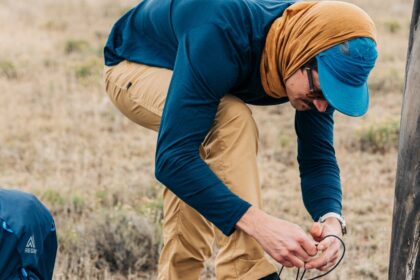


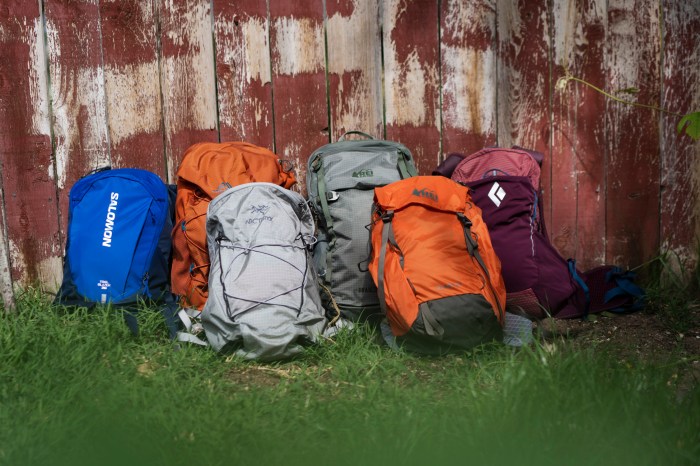
The perfect daypack is one of the most important bags you’ll ever bring into the backcountry. It should carry everything you need while making you feel like you’re carrying nothing at all. To find the best of the best for 2026, our testing team of Nick Belcaster and Miya Tsudome spent over six months putting eight new bags through the wringer. We logged more than 100 trail miles across the rugged North Cascades, the high-altitude peaks of the Sierra, and the arid scrambles of Bozeman, Montana.
Whether you need the unmatched organizational prowess of the Osprey Talon 22, the ultralight, summit-ready versatility of the REI Co-op Flash 18, or the run-ready stability of the Black Diamond Pursuit 15, our selection represents the pinnacle of modern pack design.
This year’s guide is the result of over 15 years of collective field experience. Since we first began tracking daypack performance, we have vetted more than 75 different models and logged over 1,000 hours of expert testing. We’ve watched tech trickle down from expedition haulers to 18-liter essentials, and we’ve distilled all that data to ensure your next pack is an investment that lasts for seasons to come.
Editor’s Note: We updated our Daypacks guide on May 6, 2026 to revise our buyer’s guide to add some quick-access information and better support your decision-making.
The Best Daypacks of 2026
Specifications
Pros & Cons
Pros
Many attachment features
Cushy suspension system
Available in extended sizes
Pocket for nearly everything
Cons
On the heavier end at 2 pounds
Fairly pricey compared to similar daypacks
The Quick & Dirty: The one-and-done daypack. With an updated harness and a feature set that handles nearly everything, it remains the benchmark, though the $160 price tag and feature bloat might be overkill for some.
The Osprey Talon 22 ($160) has been a solid daypack for years, but it’s now even better. With an updated (and torso-length adjustable) frame, this pack borrows features from all across Osprey’s pack line, and we can’t ignore it any longer — this is one of the best daypacks out there.
Updated in 2025, the Talon grafts on the sliding yoke strap system from the higher-end Talon Pro to create a suspension system that fits a range of different folks — a functionality you don’t see in most daypacks (the Gregory Miko is another). In practice, our team fit the same pack to 5’8” and 6’1” hikers without much fuss, and it carried exceptionally well, even packed full.
Otherwise, the pack keeps up with the times with additional recycled content across the bag and bulks up the frame sheet with less foam and more supportive polypropylene. In all, it’s a solid update to a generalist daypack, and it performed for tester and editor Nick Belcaster from the lava fields of eastern Oregon to Patagonian Chile.
The Talon and Tempest packs are versatile, with enough accessories to wrangle your trekking poles and ice axe, stash your bike helmet and mount a blinky light, and cordon off wet layers. For some, this will be feature bloat, but for others, it’s a one-and-done solution. If unburdened is more your speed, the REI Flash 22 sports a much simpler layout (and is $100 less).
Otherwise, you get the full complement of seven different pockets on the Talon (the generous hip belt storage is my favorite), and 22 liters of space is just about the sweet spot for all-day hikes. We’ll admit $160 for a daypack is a steep ask, but if you aim to replace a few others in your stable with the Talon, there’s good sense in snagging one.
REI Co-op Flash 18 Pack
REI Co-op Flash 18 Pack
(Photo/Meghan LaHatte)
At $40, the Flash 18 is an affordable entry to hiking daypacks; (photo/Meghan LaHatte)
(Photo/Meghan LaHatte)
(Photo/Meghan LaHatte)
Specifications
Pros & Cons
Pros
Doubles as stuff sack when turned inside out
Removable straps for an incognito look
Extra gear loops provide ample storage
Budget-friendly
Cons
Exterior panel loops could be more durable
Lack of exterior water bottle sleeve
No place to hide tails of harness and chest straps
The Quick & Dirty: A sub-$50 pack that works well for a lot of tasks. Perfect as a summit pack to stuff into larger bags, it offers great comfort provided you don’t overstuff its frameless design.
The REI Co-op Flash 18 ($45) is the quintessential daypack, stripping away every non-essential ounce to hit a featherweight 9-ounce trail weight. While it shares the same budget-friendly price point as its larger siblings, the Flash 18 is designed for those who prioritize agility and multi-use versatility. It hosts a streamlined drawcord top closure for instant access, a hydration reservoir sleeve, and a surprisingly durable recycled ripstop nylon construction that easily handles the town-to-trail transition.
In her field testing, hiker Megan LaHatte found the Flash 18 to be the ultimate summit pack. Because it lacks a bulky internal frame or heavy padding, it can be balled up to the size of a grapefruit and tossed into a larger multi-day pack or travel luggage. Once you reach basecamp, it deploys into a fully functional 18-liter hauler for quick forays. A clever design carryover she loved: the foam back panel is completely removable, doubling as a dry sit pad for alpine lunches or a protective layer for your hydration bladder.
The latest update sees the Flash 18 moving to Bluesign-approved recycled materials, signaling REI’s commitment to sustainable performance. At 18 liters, it is admittedly on the smaller side for all-day winter excursions, and our testers noted that you’ll need to be intentional with your packing (placing softer items against the back) to maintain a comfortable carry without a structured frame. However, for most summer scrambles or quick gym sessions, its simplicity is its greatest strength.
If you’re cross-shopping, the Cotopaxi Luzon 18L is a frequent rival at the same $60 price point, though the Flash 18 wins out on technical details like its detachable sternum and hip straps, which provide a more stable carry on technical terrain. For hikers seeking a grab-and-go solution that disappears in your luggage but performs on the ridge, the Flash 18 remains a gold-standard budget pick.
Patagonia Refugio 26L Pack
Patagonia Refugio 26L Pack
(Photo/Meghan LaHatte)
(Photo/Meghan LaHatte)
(Photo/Meghan LaHatte)
Specifications
Pros & Cons
Pros
Larger capacity for added remote-work essentials
Made of recycled materials
Ample padded shoulder straps and back panel
Cons
New version loses the removable laptop sleeve
Stiffer back panel isn’t as comfortable when under packed
Read Review: Patagonia Refugio Daypack 30L Review: The Perfect Pack for Outdoorsy Professionals
The Quick & Dirty: An updated trail-to-office-to-travel hybrid. It hosts a 15-inch laptop sleeve and a clean aesthetic, along with a stiffer back panel.
The Patagonia Refugio 26L Pack ($115) is newly revised in 2026, and gets a overall style revamp, better water bottle pockets, and a more supportive back panel. It’s still an excellent option for commuters, travelers, and students alike. The large, 26L capacity is sure to fit plenty of your daily essentials.
The exterior of the Refugio 26 moves from a stretch-corded space to a move helpful interior pocket with organizers within to wrangle your smaller pieces of kit, and LaHatte found it to be an improvement over the previous version. The stretch-mesh of the exterior bottle pockets was one of our gripes with the previous version of the pack, but this one moves to a more durable mesh and protects the heel of the pockets in solid textile; that’s smart.
The pack also gains three daisy chains that run down the front of the bag, making for some versatile carry options (we find it a great place to clip my sweaty climbing shoes). Retained is the hydration capability, which can be a bladder inside the pack and hose routed out at the collar. This makes the pack a great travel-to-trail option.
The backpanel of the new pack is also updated, but isn’t as clear of a win. It’s a good bit stiffer than the previous version, allowing for it to keep the pack standing upright when opened. That can be a boon for packing the bag full, but a bit overbearing if you aren’t carrying that much in the pack. Meghan found that it was better more often than it was worse than the previous back panel, so we’re calling it a win.
The REI Co-op Trail 25 is more like the hiking version of this pack, while the Refugio 26L is made more for the urbanite, though it can definitely be used on day hikes in the great outdoors as well. Overall, this is a quality pack backed by the sustainable practices of Patagonia, and great for school, work, and general daily life.
Osprey Downburst 36
Osprey Downburst 36
(Photo/Will Brendza)
(Photo/Will Brendza)
(Photo/Will Brendza)
(Photo/Will Brendza)
Specifications
Pros & Cons
Pros
IPX5-rated water-resistant main compartment with welded seams
Comfortable AirSpeed suspension system
Simple trekking pole holster system
Separate hydration reservoir sleeve from main compartment
Cons
Quite pricey
Not totally waterproof when submerged
On the heavier side at over 3 pounds
The Quick & Dirty: A high-protection daypack for wet forecasts. The IPX5-rating eliminates the need for rain covers, but the extra tech makes it heavy and expensive, and it isn’t 100% waterproof.
Most waterproof daypacks are fairly simple: slap a few shoulder straps onto a drybag, and off you go. The Osprey Downburst 36 ($320) bucks the trend and goes all-in on making a pack that is both rainproof and comfortable to carry.
The rolltop design is mated up to Osprey’s classic AirSpeed suspension, a suspended trampoline design that can be trusted. This frame places the load a few inches away from the back (unlike the AirScape frames on other Osprey packs like the Tempest and Talon) and provides a flexible and breathable platform to support the load. The same frame system is used in Osprey’s backpacking packs, and it excels in this daypack.
Average testing wasn’t going to be enough for this daypack, so we got it into the hands of a trail crew leader in Washington State, who used it through a soggy winter of cutting trail. The feedback? It cuts the mustard. Loaded up with radios and tools, the Downburst kept her kit dry through the worst of it.
The main pack fabric is burly 210D 100% recycled nylon coated with TPU, then RF-welded together to ensure it’s IPX-5 water-resistant. I’ll note that Osprey uses the word waterproof frequently when describing this pack, but our dunk-testing proved that not to be the case. The IPX-5 rating means that it’s protected from low-pressure water streams at any angle, but full submersion will see some moisture leak in.
Even still, the balance of water resistance to comfort is right on the money in the Downburst. The downside here is the price. $320 is far and away the priciest daypack in this lineup. The $100 Exped Typhoon 15 is another drybag with straps that I’ve had good luck with, and while it leans further into the less-supportive camp, it’s a solid option to consider if price is an issue.
But if you need waterproofing and load-carrying ability, the Downburst’s price tag is worth it.
Black Diamond Pursuit 15
Black Diamond Pursuit 15
(Photo/Miya Tsudome)
(Photo/Miya Tsudome)
(Photo/Miya Tsudome)
(Photo/Miya Tsudome)
Specifications
Pros & Cons
Pros
Comfortable suspension system with seamless wing construction that hugs your body
Lots of pockets
Easy access trekking pole storage
Deep front stuff pocket
Cons
No ice axe loop like the Black Diamond Distance pack
Pricey for the size
The Quick & Dirty: A vest-inspired pack for high-output scrambles. The wrap-around harness provides stability on technical terrain, though the 15L capacity requires disciplined packing.
The Black Diamond Pursuit 15 ($180) is a new model in Black Diamond’s lightweight mountain pack lineup. While the popular Distance 15 is lighter weight and built more for runners and mountaineers who are super weight-conscious, the Pursuit 15 is a bit heavier with more features, making it a better choice for general lightweight mountain scrambling, summit tagging, and mountain trail running.
The most welcome new design feature is the BD Continuous Fit Harness, which has a seamless wing construction for comfort on the move. These wings are wonderfully soft and stretchy, and also host large, wraparound mesh pockets that are perfect for snacks or other items you might want to have easy access to. These wings keep the pack snug against your body as you move, making it comfortable as you go from hiking uphill to breaking into a run on the downhill.
A large, mesh front pocket is helpful for stashing a wind layer, sunscreen, and snacks, while a zip pocket on the front chest strap can fit a smaller phone, and additional mesh pouches are great for gels and bars or small hydration bladders.
Something that sets it apart from the lighter Distance 15 is the lack of an ice axe loop on the front of the pack, as found on the Deuter Speed Lite 25 and Osprey Tempest Pro 18. For a technical mountain pack, this is an important feature depending on the terrain you find yourself in, and is something to consider when purchasing the Pursuit 15.
Overall, if you can look past the lack of tool attachments, this is a fantastic, comfortable pack for fast pursuits in the mountains.
Specifications
Pros & Cons
Pros
Comfortable framesheet suspension
A good amount of pack for the price
Lots of useful features
Good quality materials
Cons
No padded waist belt
Pockets can make the front flap of the pack top heavy
The Quick & Dirty: High-value workhorse with a huge U-zip and rain cover. Best for casual treks, but the thin hip belt lacks real load support.
Affordable, comfortable, with plenty of pockets and some nice design features, the REI Co-op Trail 25 ($100) is a great runner-up pack to the top budget pick. Our testing team has found that 25 L is the sweet spot for a daypack, being just enough room for some snacks and layers, plenty of water, sunscreen, bug spray, a book, and any other accessories you might need for the day.
This size also ensures that you won’t pack your bag too heavy, keeping it light for your day hikes or bike rides around town. Many daypacks tend to go overboard with volume without also bulking out their suspension systems. Not so with this pack, which combines an HPDE frame sheet with nicely-padded shoulder straps.
One of the metrics we use to measure a daypack is how easy it is to quickly grab things out of it. The stretchy mesh pockets on the sides make it easy to carry a 32-ounce Nalgene bottle for frequent sipping. There is a compartment in the back of the pack that will fit a 3L hydration bladder as well, and an interior and exterior zip pocket keeps your smaller accessories organized.
One issue we found, however, is that since both of the smaller pockets are located at the top of the front flap of the main compartment, they can get heavy and make the pack awkward to open and close. This isn’t as much of an issue, however, if the main compartment itself is full enough. The hip belt, on the other hand, we won’t make as much exception for, as webbing on a 25L pack isn’t very comfortable in the long run.
With some of the plushest back padding and straps in this review, an included rain cover, and straps to stash trekking poles, the Trail 25 is a great choice for any avid day hiker.
Arc’teryx Aerios 18
Arc’teryx Aerios 18
(Photo/Erika Courtney)
(Photo/Miya Tsudome)
(Photo/Nick Belcaster)
Specifications
Pros & Cons
Pros
Comfortable shoulder harness with zippered pockets and pouches
Double set of stretchy chest cords to keep pack from moving too much
High-quality Cordura materials with integrated LCP grid
Back panel is one of the more well-designed we’ve seen
Cons
Pricey for a daypack
No hydration sleeve
Side pockets are not the most secure
The Quick & Dirty: A streamlined athlete’s tool. Bridges the gap between a running vest and a daypack with high-tenacity materials and a secure, bounce-free carry.
Looking for a pack that is more substantial than a running vest but won’t slow you down? Look no further than the Arc’teryx Aerios 18 ($180). Arc’teryx is a brand that is known for its high-end technical gear, and something it doesn’t do is skimp on quality.
Made with lightweight CORDURA nylon fabric with a liquid crystal polymer ripstop grid, this pack ensures durability on the trail. A main compartment, quick-access front pocket, two side pockets, one internal security pocket, and two attachment points for trekking poles make this a simple yet functional pack. The pack itself was tweaked slightly in 2025, with the pivot to a non-PFC DWR finish, and besides that, it’s the same pack we’ve grown to enjoy on short blitzes in the mountains.
The feature set that makes this a great hybrid running pack, however, has to be the shoulder straps. Seemingly inspired by running vests, the shoulder straps on the Aerios 18 are wide and stretchy with pockets for small water flasks as well as zippered pockets to fit your phone.
When packed correctly, these straps do a great job of keeping the bag hugged close to your body. In comparison, the Black Diamond Pursuit 15 is another run-ready pack but has a large, comfortable stretchy waistband, which could be the dealbreaker if you are deciding between the two.
This pack does not have a sleeve inside for a hydration bladder, which may be a con for some. But tester Miya Tsudome found that while running, she preferred to have some soft bottles in the vest pockets instead of a heavy bladder sloshing around on her back anyway. The price creep is real at $180, but for the performance, the Aerios justifies itself.
The pack itself also weighs 1 pound, 4 ounces, and isn’t as light as a running vest, so you won’t want to stuff it too full, or it might slow you down. But because of its useful features and great shoulder straps, this is an obvious choice for the hybrid runner and hikerwe
Other Daypacks to Ruck Your Kit In
There are hundreds of daypacks on the market, and while we think the seven awarded above are just a bit better than the rest, we’ve also used many others we’d trust to carry our day hiking kits in. Check out the daypacks below before making your choice.
Specifications
Pros & Cons
Pros
Flexible frame balances support with mobility very well
Running vest style straps are comfortable, and full of storage
Accessory mounts for almost anything
Cons
Lightweight fabric doesn’t handle abrasion or heavy precip well
Hip belt isn’t removable
The Quick & Dirty: A daypack with a stable, close-to-body fit for fast mountain missions. Exceptional balance, though the lightweight materials require care around jagged rock.
The Deuter Speed Lite Pro 25 Daypack ($130) looks fast. But it’s not all just for looks, and this ‘speed hiking’ pack is both light on your back and hangs on tight when the trail gets bumpy.
An excellent higher-volume alternative to the Black Diamond Pursuit 15, this bag takes cues from the trail running scene and saddles up with a vest-style strap system, an option our team prefers in our smaller-volume packs. The multi-use pockets they sport make grabbing essentials quicker than ever.
These straps are buddied up with a ‘LiteAir’ back panel, which really differentiates the ‘Pro’ version from the other Speed Lite packs. Instead of relying on a Derlin hoop frame, an engineered foam panel does the heavy lifting, and it’s quite flexible (we can bend the whole thing in half).
All this means that the pack moves with you, rather than trying to carry heavier loads than it should. we found the carry on the Speed Lite Pro 25 to be right on the money, even fully loaded and being bounced around on trail runs. If tucking your kit into the Pursuit 15 is too tight, this bag offers extra space.
The different accessory options on this pack are equally meant for speed, with a quick-stow option for your trekking poles that are great for wrangling your sticks to negotiate a tricky section of trail. We’d love to have seen some type of removable hip belt on a pack this slimmed down, but the existing belt isn’t overbearing.
For technical trails or picking up the pace, the Speed Lite Pro 25 is a great option.
Specifications
Pros & Cons
Pros
Feature-rich with a place or pocket for everything
Highly adjustable Bio-Stretch harness and hip belt
AirScape backpanel is above and beyond many other daypack frames
Cons
On the pricier side at $200
Hydration pouch won’t accept full 3 L bladders in smaller pack sizes
The Quick & Dirty: Premium, women’s-specific technical tool. The ultra-tough Nanofly fabric saves weight, but you’ll pay the price for the high-quality trim.
The Tempest has occupied our Best Women’s Daypack slot for many seasons — and for good reason — but when Osprey rolled out the Tempest Pro ($200), it juiced up an already great pack into an excellent one. But makes the Tempest Pro, Pro?
For one, it utilizes a very tech material: Osprey’s Nanofly fabric, which is a blend of UHMPWE and nylon that boasts a very high tear resistance and very low weight. Compared to the original Tempest, the new fabric feels slick and airy, and the overall pack has shed a handful of ounces.
Additionally, the frame (which was already class-leading for a daypack) is now even better. The new injection-molded AirScape back panel looks like it belongs on Osprey’s larger packs. As tester Erika reported, “This pack feels like a full-sized backpacking pack, just shrunken down.” The Gregory Miko & Maya 20 Pack is another choice that also feels this way, and comes in a men’s and women’s version to boot.
Daypacks typically suffer from sweat issues due to simple frames (or sometimes no frame at all), but this pack isn’t among them. The BioStretch hip belt (seamless fabric) and wrapping harness add ample adjustability. There’s also an adjustable sternum strap to fit different-sized chests. Passed by a number of our female testers, each was able to dial in a good fit — not something they could do with every pack on this list.
On top of the perks of a women’s fit, testers also really like this pack’s stretch mesh pocket on the shoulder strap and good-size hip belt pockets. Trekking pole and bike helmet attachment points (plus other loops and pockets for stashing a variety of gear), as well as an external hydration bladder compartment (works with a 2 L bladder), round out this pack and make it a fantastic do-it-all option.
You will pay for the feature-richness, as the Tempest Pro 20 L was among the most expensive daypacks in our testing. As of 2026, the Tempest Pro also comes in 30L and 40L versions.
(Photo/Erika Courtney)
(Photo/Erika Courtney)
(Photo/Erika Courtney)
Specifications
Pros & Cons
Pros
Dyneema fabric shrugs off trail damage
Slim, no-snag profile is perfect for tight canyons
Angled side pockets allow for on-the-move hydration
Cons
Nearly double the cost of similar packs
Minimalist webbing hip belt offers little support
The Quick & Dirty: A bombproof pack for high-alpine scrambles or long travel days. Built from waterproof Dyneema, it trades creature comforts for a sub-1.3-pound weight and legendary abrasion resistance. It’s pricey, but worth it for multi-adventurers.
The Hyperlite Mountain Gear Daybreak 22 ($240) was redesigned late in 2025, and is a more general profile that the brand is typically known for, but done up in much of the same style. At less than a pound and a half, it’s a minimalist design that traded the feature bloat of some mainstream brands for a rock-solid build that thrives in abrasive terrain, or as a rough-and-trumble travel pack.
The heart of the Daybreak is its 100% waterproof Dyneema construction. This stuff is nearly impossible to tear, impressively stiff, and it won’t soak up water during a sudden alpine squall. The clamshell zipper design is a departure from more fussy roll-tops, offering instant access to your layers, but also limiting the ability to overstuff the pack.
On the move, the suspension is deceptively simple. While it lacks the trampoline back panels of an Osprey, the padded 1/4” foam back panel and contoured shoulder straps provide a surprisingly stable carry for a frameless pack. It’s a connected feel that tester Nick Belcaster appreciates during technical scrambles in the North Cascades, where a shifting load can be a liability rather than a luxury.
However, living with the Daybreak requires a certain minimalist discipline. The thin webbing hip belt is there for stability, not load transfer, and if you overstuff this 22L bag with heavy kit, you’ll feel it in your traps by the middle of the day. The exterior stuff pocket is great for a wet shell, but the Dyneema lacks the stretch of mesh, so don’t expect to cram a bulky helmet in there without some strategic wrestling.
Ultimately, the Daybreak 22 is a specialist tool for the hiker who views every gram as a tax on their vertical gain. It’s expensive, and it lacks creature comforts, but for a bombproof, sub-two-pound mountain companion, it’s one of the better out there.
Specifications
Pros & Cons
Pros
Frame flexes with you as you move, and works great on off-trail routes
Rugged Robic nylon exterior
Adjustable frame heights
Integrated rain cover
Cons
Hip belt feels a little overbuilt
Stretch pocket material will rip over time
The Quick & Dirty: A flexible, clutter-free minimalist pack. The wire frame moves with your torso, which is ideal for scrambling, though the exterior mesh is snag-prone.
While not quite as techy as the Pursuit 15, the Black Diamond Trail Vista 20 Daypack ($160) does pack on the features for quick-paced adventures, but in a more all-around daypack profile. This bag is an excellent alternative to other feature-rich designs, and even sports a more mobile frame for those who might stray off trail.
That frame was the highlight of this pack during my testing, which is impressive given how simple it is. A set of crossed steel wires in the back panel flex with your back as you move, providing support without a hard stop and accommodating activities like scrambling. The perforated foam back panel breathes well enough, but it was the mobility that really impressed.
The pack body is pretty standard, with a large zippered access pocket front and center, flanked by two stretchy water bottle pockets and a front stash pocket. The mesh on these pockets has a great amount of stretch to it, but long-term durability may see some snags. We’ll continue to hike on and update as we go.
The shoulder straps are pretty dialed, in our opinion. They borrow some pocket-tech from running vests to kit out the left strap with a stretchy soft flask pocket that can hold snacks or sunglasses. The hip belt is super comfortable, almost to the point of feeling a smidge overbuilt for the pack, but we’d rather be too comfortable than have a skimpy belt.
Our team is split on the issue of included pack covers on daypacks, like the Trail Vista has. Some applaud the addition for surprise showers, while others find it takes up valuable internal space. However, the cover does its job well and covers the whole pack snugly when deployed. The stretch mesh material used on the outer pockets also isn’t the most robust we’ve used, and the pack accumulated a few snags over the three-month testing period.
The Trail Vista 20 compares well to the Deuter Speed Lite Pro, but isn’t quite as run-friendly as the vest-style straps on that pack. However, it does better with slightly heavier loads, as the Deuter’s frame will completely fold in half if you try hard enough. If that jives with what you’re after in a daypack, we think the Trail Vista is a solid choice.
Specifications
Pros & Cons
Pros
Well-made suspension and comfortable hipbelt
Many pockets
Made of high-quality recycled materials
Adjustable torso length
Cons
Can feel a tad overbuilt for its size
Not waterproof
The Quick & Dirty: One of the best-fitting suspensions under $160. The BioSync harness glues the pack to your back, even if the internal organization is basic.
If you really like all the pockets and features that are typically found on larger packs, you might just love the Gregory Miko & Maya 20 Packs ($160). Coming in both a men’s and women’s version, Gregory delivers a daypack loaded with pockets and features in a small 20 liter package.
Made without any hard plastic or metal, this pack remains sturdy yet flexible. The Biosync suspension system and wide, flexible hip belt make carrying loads over long distances comfortable, allowing the pack to stay close to and move with your body. A perforated back panel with a contoured shape keeps the pack breathable, and the torso length is also adjustable within a 3.5-inch range to allow you to really dial in your fit.
While it doesn’t have the most pockets out of all the packs reviewed, it is very similar to the Osprey Talon 22 in weight and design. It sports seven total pockets: one main compartment, one large mesh front pocket, two zippered hip belt pockets, a small zippered top pocket, two side mesh pockets, and a separate zippered entry for a hydration bladder.
If you like to stay organized, this pack will help you do just that. But if you’re more of a minimalist who thinks having so many pockets and zippers is overwhelming for a simple day hike, you might want to choose a pack that is a bit simpler.
The zippers on the Miko & Maya 20 packs don’t have any waterproofing features, either, and while the molded zipper pulls and water-repellant DWR finish on the fabric are nice touches, the overall durability and water resistance may be less than some.
If simplicity is more your thing, check out the Osprey Hikelite 18 Pack or Black Diamond Pursuit 15. But if you enjoy keeping your things separate and organized and like the features of a larger backpack, you’ll go far with the comfortable and affordable Miko & Maya 20 Packs.
Daypack Comparison Chart
DaypackPriceMaterialSuspension StyleMeasured WeightWho Its ForOsprey Talon 22
$160210D/420D recycled ripstop nylonFrameless foam back panel2 lbs., 1 oz.Active hikers seeking a versatile, comfortable daypackREI Co-op Flash 18$45Recycled ripstop nylonFrameless foam back panel (removable)9 oz.Budget minimalists needing a packable trail companionPatagonia Refugio 26L$115Recycled polyesterFrameless1 lb., 10 oz.Students and commuters requiring a laptop-friendly, multi-use bagOsprey Downburst 36$320210D TPU, 70D, and 420D high-tenacity 100% recycled nylonAirSpeed suspension system3 lbs., 5.5 oz.All-weather adventurers needing a rainproof, roll-top haulerBlack Diamond Pursuit 15
$180100% recycled polyesterFrameless foam back panel1 lb., 8 oz.Fast-and-light peak baggers seeking a stable, vest-style fitREI Co-op Trail 25
$100Recycled ripstop nylonInternal HPDE framesheet1 lb., 15 oz.Casual trekkers wanting high capacity and value under $100Arc’teryx Aerios 18$180100D CORDURA nylon with twisted 200D LCP gridAeroFoam back panel1 lb., 4 oz.Hikers and mountain runners who want a run-savvy packDeuter Speed Lite Pro 25
$130120D polyamideFrameless foam back panel1 lb., 8 oz.High-output athletes needing a stable, technical mountain fitOsprey Tempest Pro 20$200100D Nanofly UHMWPE nylon + 420HD nylon packclothInjection-molded AirScape back panel1 lb., 14.4 oz.Serious female adventurers wanting the toughest, lightest materialsHMG Daybreak 22$240Dyneema Composite Hybrid 5.1 and Dyneema Hardline stretch meshFrameless foam back panel1 lb., 3.2 oz.Ultralight purists needing a high-tech bag for low baseweight day tripsBlack Diamond Trail Vista 20$160Robic nylon body, polyester linerAlloy wire frame, breathable mesh back panel1 lb., 14 oz.Minimalist scramblers seeking a streamlined, flexible mountain packGregory Miko & Maya 20 Pack
$160100-denier high-density nylon, 210-denier high-density nylonFrameless2 lbs.Comfort-first hikers wanting premium suspension at a mid-tier price
How We Tested the Best Daypacks
Our GearJunkie testers are a multisport bunch who take every opportunity to sneak out for the types of brief adventures that daypacks shine in. And, we’ve put our heads together here to drum up the best daypacks on the market in 2026.
Our gearheads have been testing daypacks for over 15 years now, combing the field each year to find new great packs to add to our list. The 15 in this review reflect a variety of the best packs you can find today, covering different uses from casual hiking, technical peakbagging, commuting to work, or traveling abroad. The beauty of a daypack is in its absolute versatility, and we’ve used ours to tackle nearly everything.
Side-by-side testing allows us to get a good idea of where each of these daypacks excels; (photo/Nick Belcaster)
Our Testing Process and Testing Grounds
For this list, our team looked at daypacks across the spectrum — from packable and travel-friendly rucksacks to full-featured hiking and riding packs. Then, we hit the trails, loading them up with the essentials, noting their frame style, comfort and adjustability, features, breathability, and waterproofing.
Field testing: Our testing regimen requires a minimum of 10 miles hiked in each daypack — the length of a solid day trip — before we render any type of opinion. We loaded, then overloaded packs to see how they carried in real life. We strapped odd-shaped kit to the exterior to see how it held. Running-inspired packs were run in, and commuters loaded down with laptops and taken to work. In all, we aimed to test these packs in exactly the way you’ll use them.
In-house weighing and volume testing: Weighing these daypacks is natural, and followed closely by volume testing, where we employ ping pong balls of known volume to hone in on just how much these packs will tote.
Hose-down challenge: Finally, a quick and dirty moisture resistance test with a spray bottle gives us a look under the hood when it comes to shrugging off an errant rainstorm.
Our daypacking rating system:
Comfort: 30% weighted. Comfort is a big deal in daypacks, and I prioritize easy carry over pretty much everything else when rating these packs. Our team looks for well-padded shoulder straps and hip belts, functional frames, and good load transfer when judging comfort.
Organization & Volume: 30% weighted. In order to be rated highly for organization and volume, I look for daypacks that make good use of internal volumes by keeping things simple with only a few pockets for essentials. Exterior pockets are also considered, with the highest rated packs hosting specialty sleeves like padded sunglasses pockets or quick-access snack pouches on shoulder straps.
Durability: 20% weighted. Long-term durability is judged on the wear and tear that can be put on these daypacks across an entire summer — the minimum span of time we test before rendering a verdict. I look for smooth-running zippers, pack body material that has resisted tears or stains, and intact plastics such as buckles and webbing sliders.
Weight: 20% weighted. Finally, the weight of your daypack should be considered, but I don’t rank it exceptionally high, as most will be reasonable for day hikes and similar activities. Anything below 2 pounds receives a passing grade, with packs at or below 1 pound being deemed ultralight and earning a higher rating.
Mountain-hungry packs require mountains, and we huffed and puffed our way to a solid understanding with these packs; (photo/Miya Tsudome)
Our Expert Testers
Guide manager Nick Belcaster is a Washington-based trail hound who knows well the “get-it-while-you-can” aspect of adventuring in what is sometimes known as the Pacific Northwest. His exploits range from car-to-car alpine adventures in North Cascades National Park to ripping around on mountain bikes just outside of town, and in doing so, he’s cultivated a taste for what makes a daypack the one.
Our other chief daypack tester, Miya Tsudome, lives in the high desert of Bishop, Calif., at the base of the Sierra Nevada mountain range. She has thousands of hours of gear testing under her belt and spends the majority of her time in the summer climbing, backpacking, and going on day hikes. When it comes to packing a kit for a day, she knows what to look for in a daypack for navigating mountain terrain.
And as always, assisting in our efforts is a backbench of highly motivated GearJunkie outdoors folk of every stripe, from high alpinists to park kickback types. Every daypack we test gets a cycle through the rotation and sees several folks before it receives the nod — ensuring that we’ve got input from all types.
Each backpack on this list was put through real-world tests by our trail-loving pros; (photo/Miya Tsudome)
Daypack Architecture: Selecting Your Ideal Volume
Choosing a daypack is a balance between carrying capacity and physical agility. Whether you need a town-to-trail hybrid or a specialized alpine fastpack, your pack is the foundation of your safety and comfort in the backcountry. For our 2026 evaluations, we focused on the 15L to 30L range, but within that bracket, the utility changes significantly based on your intended mileage and gear list.
The Extended/Multi-Sport (25L–30L): If your day involves technical gear (like climbing shoes, a harness, or a professional camera setup), you’ll want the extra room of a pack like the Deuter Speed Lite 25. This volume is also the preferred choice for parents carrying extra layers for kids or hikers tackling high-desert routes where carrying 4 to 6 liters of water is a safety requirement. In a pinch, a well-featured 30L pack can even serve as an ultralight overnight bag for minimalist summer trips.
The Minimalist (11L–18L): Packs in this category, such as the Arc’teryx Aerios 18, are designed for fast and light objectives. With enough room for the essentials (water, a light shell, a first aid kit, and snacks) they excel during high-output activities like trail running, peak bagging, or cycling. Their low profile makes them incredibly versatile for daily commutes, but they offer little overflow room if you need to carry extra layers for a partner or specialized gear.
The Day-Hiker Standard (20L–25L): This is the sweet spot for most weekend outings. A 20-plus liter pack allows you to carry a full 3L hydration reservoir, a substantial lunch, and a dedicated mid-layer or rain jacket without overstuffing the seams. This volume is ideal for variable spring or fall weather where you might start the morning in a puffy jacket and end it in a t-shirt.
Some daypacks feature zippered pockets and stretchy pouches in a running vest style; (photo/Miya Tsudome)
Suspension & Support: Framing Your Load
Because daypacks are designed for lighter payloads, they rarely feature the heavy, rigid frames found in multi-day expedition packs. Instead, they rely on clever suspension geometry and materials to keep your gear stable without adding unnecessary bulk.
Frameless & Foam-Based Systems: Most modern-daypacks use a high-density foam framesheet to provide structure. This keeps the pack from barreling and protects your back from being poked by sharp items like a stove or a multi-tool. Leading examples like the Osprey Talon 22 and Gregory Miko offer incredible support through these foam panels while remaining lightweight. Some packs, like the REI Co-op Flash 22, even allow you to slide the foam sheet out to use as a dry sit-pad for trail-side lunches.
The Frameless Weight Limit: Frameless packs typically have a functional load ceiling. Once you exceed 15 pounds, the foam begins to compress, and the weight will start to pull at your shoulders. For heavier loads (think winter hiking or carrying extra water) look for a pack with a minimal internal frame, such as the Deuter Speed Lite 25 (which uses a Delrin U-frame) or the Black Diamond Trail Vista 20 (utilizing steel stays). These allow you to carry 20+ pounds with significantly less fatigue.
Shoulder Strap Ergonomics: Your straps are your primary contact point and come in three main configurations. J-straps are the traditional standard, while S-straps are contoured to better accommodate those with broader chests or more athletic builds. For high-output activities, vest-style straps (found on fast-packs) distribute weight across the ribcage rather than just the shoulders, minimizing pack bounce while you’re moving quickly.
Hip Belts & Stability vs. Support: On a daypack, the hip belt is often more about stability (preventing the pack from swinging) than load transfer. Minimalist packs like the HMG Daybreak 22 use simple webbing belts that can be removed for around-town use. However, if you’re tackling big mileage, a padded hip belt like the one on the Black Diamond Pursuit 15 uses spacer mesh and foam to wrap the iliac crest, effectively moving the weight from your shoulders to your hips.
Both of the REI Co-op packs that we’ve tested, the Flash 18 and Trail 25, are made from 100% recycled ripstop nylon; (photo/Miya Tsudome)
Materials & Breathability: Balancing Weight and Durability
Because daypacks carry lighter loads than expedition haulers, they are often constructed from streamlined fabrics to minimize bulk. However, lightweight doesn’t have to mean fragile, and we’ve focused on how different textile densities (measured in denier) affect the long-term lifespan of your pack.
Understanding Fabric Density: The denier (D) of a fabric tells you the thickness of the individual threads. For most day-hiking scenarios, materials in the 100D to 200D range strike the perfect balance between weight and abrasion resistance. If you plan on scrambling over granite or bushwhacking through dense brush, look for higher-denier reinforcements. The Osprey Talon 22 is a standout here, utilizing 210D and 420D high-tenacity nylon in high-wear areas to ensure it survives years of abuse.
Sustainability in Textiles: We’ve seen a massive shift toward Bluesign-approved and recycled materials across the industry. Packs like the REI Co-op Trail 25 prove that using recycled polyester doesn’t sacrifice performance, providing a rugged, water-resistant exterior that aligns with modern environmental standards.
Back Panel Ventilation: A pack’s breathability is often the biggest factor in your overall comfort. Packs with flat fabric back panels trap heat and moisture, leading to the dreaded sweaty back syndrome. To prevent this, prioritize designs that incorporate spacer mesh and die-cut foam. These channels create an air gap between your body and the pack, allowing heat to escape. Systems like Osprey’s AirScape or Gregory’s 3D-Foam panels are the benchmarks for keeping you cool during mid-summer ascents.
The back panel of the Osprey Talon 22 we tested was one of the more supportive; (photo/Erika Courtney)
Back Panels: Managing Airflow and Structure
While durability protects the pack, the back panel design protects the hiker. On high-output days, the interface between your back and your gear determines whether you stay comfortably dry or end up soaked in perspiration. In our evaluations, we look for a ventilation-to-weight ratio that suits your specific climate and activity level.
Ventilated Support Systems: The most effective designs utilize spacer mesh and segmented foam to create physical air channels. By breaking up the surface area of the back panel, these packs allow heat to escape while keeping the load’s center of gravity close to your spine. We were particularly impressed by the Deuter Speed Lite Pro 25 and the Osprey Talon/Tempest Pro series; their suspended mesh systems provide a noticeable chimney effect that wicks moisture far better than flat-panel designs.
The Ultralight Trade-off: At the lighter end of the spectrum, some fast-and-light packs forgo thick foam and mesh to save weight. While this improves packability, it creates a compromise in breathability. Without air channels, perspiration is trapped against the fabric, which can be a significant drawback in humid environments or during high-exertion ascents.
Structural Integrity: Beyond cooling, a well-cushioned back panel acts as the soft frame of the pack. Segmented foam provides just enough rigidity to prevent the bag from sagging or barreling when fully loaded. This structural support ensures that the weight is distributed evenly across your back rather than pulling awkwardly at your shoulders.
The REI Co-op Flash 22 has a drawstring closure, which makes for easy access, but not great weatherproofing; (photo/Miya Tsudome)
Organization & Architecture: Pockets, Closures, and Access
A daypack’s utility is defined by how effectively it organizes your Ten Essentials while providing quick access to high-use items. We evaluate a pack’s layout based on functional accessibility, meaning you shouldn’t have to dump your entire kit on the trail just to find a headlamp or a snack.
Sport-Specific Tool Carry: If your days involve more than just walking, look for dedicated lashing points. The REI Co-op Trail 25 has external trekking pole attachments that keep your hands free for scrambles, while technical packs like the Black Diamond Pursuit 15 incorporate vest-style shoulder strap pockets. These pouches are a tester favorite for storing soft flasks, smartphones, or high-calorie snacks for on-the-go fueling.
Hydration Integration: Our first assessment always focuses on water management. We look for dedicated internal sleeves or external hangers that can accommodate reservoirs ranging from 1.5L to 3L. For bottle users, side pockets made of durable stretch-mesh are a must. We specifically look for reach-through pockets that allow you to grab a bottle without taking the pack off.
Closure Systems & Weather Protection: The way a pack opens dictates its speed and security.
Drawcord Closures: Found on minimalist packs like the Flash 18, these are the fastest to operate but offer the least water resistance.
Roll-Tops: Models like the Osprey Downburst offer superior weatherproofing by creating a physical seal against rain, though they are slower to access.
Zippered Panels: These provide the best organization and clamshell access, but require maintenance. In sandy or gritty environments, zippers must be kept clean to prevent slider failure.
Gregory’s H2O series is built around the hydration bladder, and makes for easy integration; (photo/Miya Tsudome)
Hydration Compatibility: Efficient Water Management
Staying hydrated is the most effective way to maintain your pace on the trail, and how your pack manages that weight is a critical performance factor. We’ve found that the best systems (like the Platypus BigZip EVO or Osprey Hydraulics reservoirs) rely on a seamless integration with the pack to keep the water weight centered and stable.
Dedicated Reservoirs & Routing: A hydration-ready pack should offer more than just a sleeve. We look for specialized hooks or clips that prevent a half-empty bladder from slumping to the bottom of the bag. Higher-end models, such as Gregory’s H2O Series, host integrated magnetic bite-valve attachments on the sternum strap, ensuring your tube is always exactly where you need it.
Volume Compatibility: While a 3L bladder is the standard for long desert hauls, it may overflow the internal sleeve of a compact pack. Always cross-reference the brand’s recommended maximum reservoir size; forcing a large bladder into a small sleeve can put undue stress on the pack’s zippers and compromise your back panel comfort.
The Weight of Water: Water is often the heaviest item in your kit (roughly 2.2 pounds per liter). Carrying a full 3L setup adds over six pounds of shifting weight to your back. If you frequently carry high volumes of water, we strongly recommend a pack with a dedicated internal frame or a stiffened back panel. Frameless packs often buckle under the weight of a heavy water carry, leading to shoulder strain and poor weight distribution.
The Osprey Downburst is a very water-resistant pack, and needs functionally no protection in heavy rain; (photo/Will Brendza)
Moisture Management: Weatherproofing and Water Resistance
In the backcountry, a sudden afternoon squall can quickly turn a routine hike into a gear-soaking ordeal. When evaluating a pack’s ability to protect your essentials, we look beyond simple waterproof labels to analyze the specific technologies (coatings, closures, and construction) that keep your kit dry.
Integrated vs. External Protection: If your pack isn’t inherently waterproof, check for an integrated rain cover. Models like the REI Co-op Trail 25 have a dedicated pocket housing a custom-fit cover that can be deployed in seconds. For extreme conditions, many of our testers also employ internal dry bags or lightweight pack liners for double-bagging sensitive electronics and down insulation.
Coatings and Fabrics: Most performance daypacks are treated with a DWR (Durable Water Repellent) finish, which causes moisture to bead off the surface. In 2026, we prioritize PFC-free DWRs that balance environmental health with high performance. For truly wet climates like the Pacific Northwest, look for fabrics with a PU (Polyurethane) coating on the interior; this provides a physical barrier against water penetration and increases the overall abrasion resistance of the pack bottom.
Sealed Architecture: A pack’s waterproofness is only as strong as its weakest seam or zipper. Technical packs like the Osprey Downburst 26 set the standard by utilizing TPU-filmed fabrics and taped seams, which prevent water from seeping through needle holes. For maximum protection, roll-top closures are vastly superior to zippers, as they create a mechanical seal that even driving rain struggles to breach.
Tester’s Tip: “The backpanel is one of the more-likely places where water will sneak into your pack. Make sure that any pack covers you use cover your shoulder straps a bit to keep things drier.” — Nick Belcaster, Lead Gear Tester
Certain daypacks come in both a Men’s and Women’s version to better accommodate different shaped torsos; (photo/Miya Tsudome)
Gender-Specific Fit & Ergonomics:
Women’s-specific daypacks are not just about aesthetics; they are engineered with distinct geometry to accommodate shorter torso lengths, narrower shoulders, and different hip-to-waist ratios. For 2026, we’ve seen a shift toward more nuanced sizing, moving away from the ‘shrink it and pink it’ philosophy of the past.
Sternum Strap Placement: On women’s-specific packs, the sternum strap is often adjustable across a wider vertical range. This allows for placement either above or below the bust to prevent restrictive pressure during heavy exertion.
Torso Length and Sizing: The most critical fitment factor is the distance from your C7 vertebra (the bump at the base of your neck) to your iliac crest (the top of your hip bone). Women’s-specific models, like the Osprey Tempest Pro, are built with shorter torso ranges to ensure the hip belt sits on the hips rather than the glutes. Many premium packs now offer adjustable torso harnesses, allowing you to slide the shoulder yoke up or down to achieve a custom fit.
Shoulder Strap Contouring: Women typically have narrower shoulders and different chest dimensions than men. Women’s-specific straps are usually contoured with an S-shape to curve away from the chest, preventing chafing and pinching at the armpits. In contrast, unisex or men’s straps are often straighter (J-shape), which can pull uncomfortably across the bust for some hikers.
The Conical Hip Belt: Men’s hips tend to be more cylindrical, whereas women’s hips are often more conical. A women’s-specific hip belt is canted at a different angle to wrap around the flare of the hips, distributing weight more effectively across the pelvic shelf. We’ve found the Black Diamond Pursuit 15 (Women’s) to be particularly adept here, offering a waist belt that feels integrated rather than just strapped on.
For the money, a pack that can be used for both hiking and commuting makes a lot of sense; (photo/Miya Tsudome)
Price & Value
Daypacks run the gamut in terms of cost, from budget-minded sacks to high-end bags for in-a-day adventures. A good rule to follow is the broader your horizons, the more you’re likely to spend. Additional features add up quickly, and the daypack that can do it all certainly comes with a price tag. More budget-minded options will also likely have a limited lifespan, so treat them with care.
Budget ($45–$100):
This tier is dominated by essentials designs like the REI Co-op Flash 18 ($45) and the Trail 25 Packs ($100). These bags are often lightly framed (if at all) and use lighter-weight fabrics (typically 100D–200D). They are perfect for commuters, light day-hiking, or as summit packs stashed inside larger luggage. While they lack the load-bearing architecture of more expensive bags, they offer the highest utility-to-weight ratio for those carrying under 10 pounds.
Mid-Tier ($100–$150):
Here, we see the introduction of advanced ergonomics and specialized utility. Packs like the Deuter Speed Lite Pro 25 ($130) and Gregory Miko/Maya series feature better-ventilated back panels and more robust harness systems. This tier is also where hybrid packs live, offering dedicated laptop sleeves or integrated rain covers that bridge the gap between mountain trails and urban environments. You are paying for a more comfortable carry over longer distances.
Premium ($150–$200+):
At the top of the market, you are investing in expedition-grade durability and high-performance suspension. Models like the Osprey Talon/Tempest and Black Diamond Pursuit 15 utilize elite materials such as ultra-high-molecular-weight polyethylene (UHMWPE) or high-denier ripstop nylon. These packs mirror the complexity of full-sized expedition bags—featuring waterproof zippers, multi-density contoured harnesses, and extreme breathability. For in-a-day alpine pushes or rugged scrambles where gear failure isn’t an option, these are the expert choice.
Something specialized like the Arc’teryx Aerios 18 will work perfectly for fast-paced mountain adventures — but expect to pay for it; (photo/Nick Belcaster)
Frequently Asked Questions
The best daypack is hard to define because the sizing will vary based on your needs. Some days, we’ll reach for our trusty 22L REI Flash. On other days, we might need a 24-30L pack depending on the activity.
That being said, the Osprey Talon 22, REI Co-op Trail 25, and Black Diamond Pursuit 15 packs were some top staff favorites.
Got a technical day trip in mind? The Black Diamond Pursuit 15 is up for it; (photo/Miya Tsudome)
Simply, size. A daypack is meant to comfortably carry all of the essentials you might need on a daily outing and are typically between 12 and 30 L. A backpacking pack will have additional space to accommodate all of the equipment needed for an overnight trip or a more technical outing like rock climbing.
As we mentioned in the intro, you’ll want a 15-30L day pack for hiking. Any larger, and it will be a heavier load to carry; any smaller, and you won’t have room for the 10 essentials. Based on experience and what’s on the market, 20-24L packs tend to be the most popular choice.
20-25 L is just about the sweet spot for three-season hiking day trips; (photo/Miya Tsudome)
Great question — we’ve got an article on this exact topic, with a handy, comprehensive list you can even print out!
But you can expect to always start with the basics: extra layers or a rain layer (depending on the season), water, food, a small first-aid kit, and sun protection.
For the daypack itself, look for durable — maybe even water-resistant — fabric, a breathable back panel, straps or loops for securing gear, and a good mix of internal and external pockets.
Other features that are great to have on a daypack are a hip belt, sternum strap, key clip, hydration sleeve, and attachment points for trekking poles.
Now that you have all the tools you need to choose the right pack, get out there and enjoy the outdoors!