

The post Best Marathon Shoes of 2026 appeared first on iRunFar.
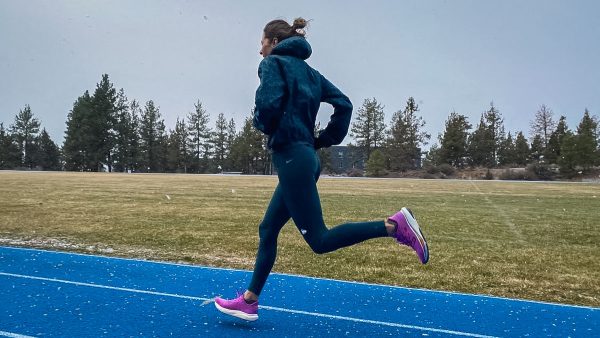
Finding the best training and racing shoes for a marathon is highly important. Photo: iRunFar/Eszter Horanyi
The marathon is a distance that attracts almost every type of runner, from new runners aiming to run farther than ever to those chasing Boston qualifiers to elites going for the Olympic dream. It makes a worthy goal for anyone, and having the best marathon shoes for race day can significantly affect your performance. While you certainly don’t need special shoes for running a marathon, if you’re attempting to run at your absolute best, your shoes can make a big difference.
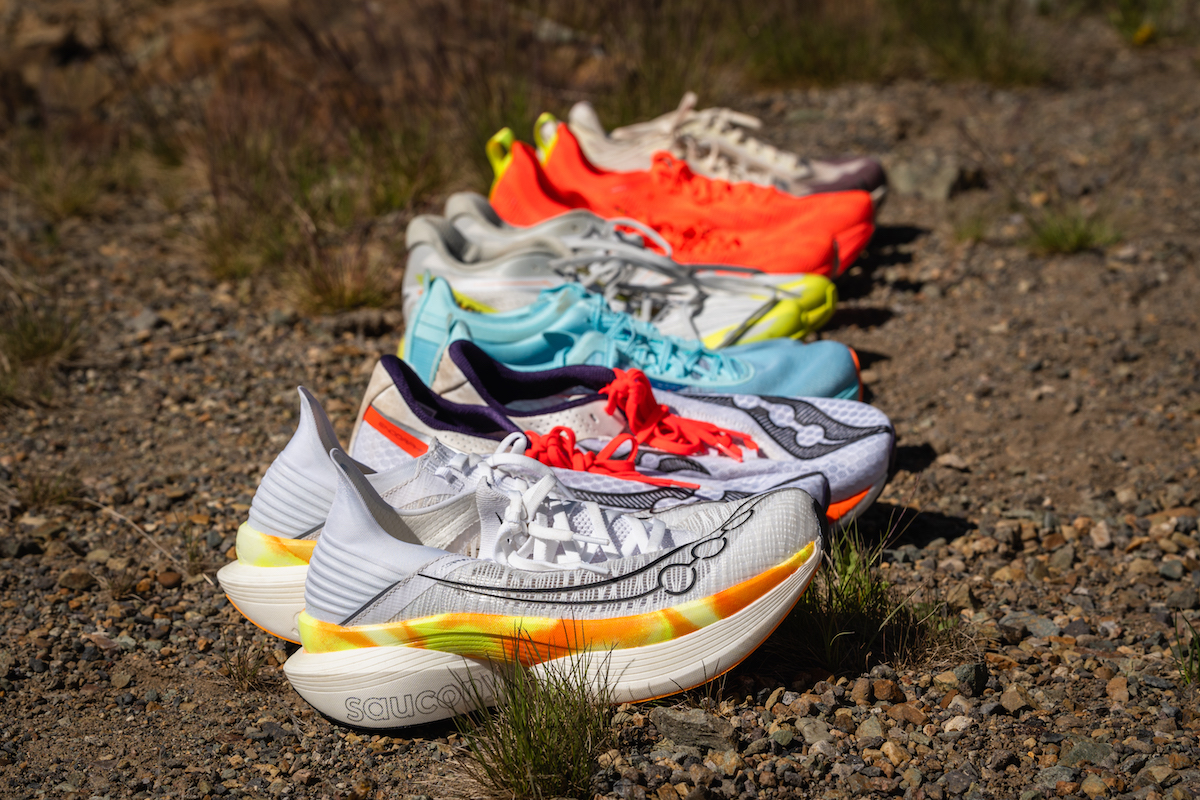
To help you parse through the endless options, we rounded up the best marathon running shoes and sent them to our experienced team of testers, many of whom were training for or racing marathons. They took them to the track for weekly speed workouts, to paved and gravel roads for long runs, and eventually, to streets on race day. After logging hundreds of miles, our testers made their picks for the top marathon shoes.
The Nike Alphafly 3 remained their top carbon-plated option for racing a marathon, while they loved the Adidas Adizero Adios Pro 4 as a versatile racing option and the Saucony Endorphin Speed 5 for training. For first-time marathoners, they recommended the Asics Superblast 3, and for a one-shoe solution for all of your marathoning needs, they’d point you to the Adidas Adizero EVO SL.
To learn more about finding the right marathon running shoe for you, scroll down to our recommendations for how to choose, a glossary of marathon shoe terminology, and our answers to frequently asked questions. Finally, learn more about our research and testing methodology.
Best Marathon Running Shoes
Best Marathon Shoe for Beginners: Asics Superblast 3
Best Marathon Shoe for Training: Saucony Endorphin Speed 5
Most Versatile Marathon Shoe: Adidas Adizero EVO SL
Best Carbon-Plated Marathon Shoe: Nike Alphafly 3
Best Marathon Shoe for Multiple Distances: Adidas Adizero Adios Pro 4
Most Propulsive Marathon Shoe: Hoka Cielo X1 3.0
Best Trail Marathon Shoe: Hoka Tecton X 3
Best Value Marathon Shoe: New Balance FuelCell Rebel v5
Testing marathon shoes near Silverton, Colorado. Photo: iRunFar/Eszter Horanyi
Best Marathon Shoe for Beginners — Asics Superblast 3 ($210)
Claimed Weight (U.S. men’s 9): 8.4 ounces (239 grams) | Stack Height (heel/toe): 47/39 millimeters | Drop: 8 millimeters | Construction: Engineered woven upper, FF Leap and FF Blast Plus midsole, Asicsgrip outsole
Pros:
Supreme cushioning
Versatile and plateless
Easy to pick up the pace
Cons:
Bulky
Not as specialized as super shoes
The Asics Superblast 3 is our top pick for beginner marathon shoes because of its combination of cushion and versatility. In the Asics lineup, it carves out an important niche as an accessible performance trainer — or a shoe that can do it all without being intimidating for first-time marathoners.
Asics used a combination of FF Leap, one of its premium foams found in its racing shoes, and FF Blast Plus, an EVA blend foam, in the midsole, and the result is a smooth-riding shoe that can handle all types of running. Our primary tester used them for everything from easy runs to tempo work to long workouts, and they performed well across the spectrum, shining particularly for long runs and long workouts. “Easy runs are a pleasure in them,” he added. “Throwing in strides during a run is much easier than in trainers.” This versatility makes it a top shoe for beginning marathoners: You won’t need to have several shoes in your rotation because this one can meet most, if not all, of your needs. “It’s certainly not as ideal for workouts as a carbon-plated shoe, but if you want one shoe that can do almost everything, this is a good one,” our tester said.
This lack of a carbon plate, while limiting its performance and top-level speed, also makes this shoe less intimidating for those running their first marathon. Super shoes can have a reputation for being elitist (though they shouldn’t, because runners of any speed and experience level can benefit from them) and rigid, but these shoes offer a great balance of top-level cushion, using the same foam found in Asics super shoes, and performance without the drawbacks of plated shoes. They would be ideal for anyone aiming for a 4-plus-hour marathon, as the nearly 47 millimeters of stack height at the heel — and 39 at the forefoot — offer ample cushioning for long efforts.
Our tester’s only complaint with this shoe is that it is a bit bulky. “They may require sizing down,” he said, adding that he has to wear thick socks to prevent bad blisters.
Shop the Asics Superblast 3 – Unisex
Best Marathon Shoe for Training: Saucony Endorphin Speed 5 ($175)
Claimed Weight (U.S. men’s 9): 8.3 ounces (237 grams) | Stack Height (heel/toe): 36/28 millimeters | Drop: 8 millimeters | Construction: Winged nylon plate between two layers of PWRRUN PB midsole foam
Pros:
Cushioned and responsive
More versatile than a super shoe
Good value
Cons:
A plated training shoe might not be for everyone
Limited durability
Saucony designed the Saucony Endorphin Speed 5 as a race day and speedwork shoe, but our primary tester also often used it for training. It could work as your stand-alone marathon training shoe, with the versatility to perform well from workouts to race day. Our tester even wore it for easy daily miles.
At a claimed weight of 8.3 ounces for a U.S. men’s 9, it’s almost as light as many marathon racing shoes, and with a stack height of 36 millimeters at the heel and 28 at the forefoot, it offers a more responsive ride than some high-stacked super shoes. Simply put, this is a fast shoe that’s much more accessible than a super shoe like the Nike Alphafly 3.
The shoe’s versatility starts at the bottom, where Saucony updated the outsole to have greater coverage. This improved both the durability and versatility, allowing us to run on more surfaces than just pavement. Moving up the shoe, Saucony sandwiches a semi-rigid nylon plate between two layers of PWRRUN PB midsole foam. This midsole construction is where the shoe really shines. It creates an efficient and propulsive ride. It’s also an excellent option for anyone who is curious about carbon plates. Not many shoes offer nylon plates, which hits the right balance between a plateless shoe and a carbon-plated super shoe.
Lastly, Saucony updated the upper portion of the shoe to a lightweight engineered mesh. We thought the updated mesh helped improve both the comfort and breathability compared to the previous version of the shoe.
Shop the Men’s Saucony Endorphin Speed 5Shop the Women’s Saucony Endorphin Speed 5
Most Versatile Marathon Shoe — Adidas Adizero EVO SL ($150)
Actual Weight (U.S. men’s 9): 7.9 ounces (223 grams) | Stack Height (heel/toe): 39/32 millimeters | Drop: 7 millimeters | Construction: Engineered mesh upper, Lightstrike Pro foam, Continental rubber outsole
Pros:
Lightweight, bouncy, and fun
Can handle basically anything
Top-tier foam
Tremendous value
Cons:
For road running only
Tongue and laces are not great
If you’re searching for one shoe that can do it all in your marathon training, search no further than the Adidas Adizero EVO SL. With a premium foam, energetic ride, and ability to handle all types of running, this shoe is one of the best and most versatile options available, and at $150, it’s one of the best values, too.
Any discussion of this shoe has to start with its midsole. In fact, this shoe was also one of our picks in our Best Cushioned Running Shoes guide. Made from a thick layer of Lightstrike Pro, one of Adidas’s premium foams typically reserved for its racing shoes, like the Adidas Adizero Adios Pro 4, the midsole is its defining feature. It offers a supremely bouncy, fun ride that can handle all types of paces and distances, and it held up well for our primary tester over nearly 400 miles. In fact, these shoes — which, at 7.9 ounces for a U.S. men’s 9.5, are also incredibly lightweight — were his go-to pair for a marathon training block, and they performed well on everything from easy doubles to speedwork on the track to 20-mile long run workouts.
If you don’t want to have multiple shoes in your rotation, this shoe could be the one you use for basically everything. In fact, if you prefer the ride of a plateless shoe or don’t feel like shelling out $250-plus for a pair of super shoes, this shoe could be your race-day pair as well. The longest run our tester ran in these was 23 miles, and he’s confident they could have gone 3.2 more, though they’d probably be even better at the 5k to half-marathon distance.
The upper, made from an engineered mesh, is breathable and light, and its undeniably clean aesthetic makes this shoe a strong wear-around-town option as well. The Continental rubber outsole performs best on dry paved surfaces — this is not the shoe to take on trails. The floating tongue and thin, finicky laces are probably its two biggest weaknesses, but those are minor knocks on an otherwise excellent shoe.
Shop the Men’s Adidas Adizero EVO SLShop the Women’s Adidas Adizero EVO SL
The Adidas Adizero EVO SL before some high-altitude miles in Silverton, Colorado. Photo: iRunFar/Bryon Powell
Best Carbon-Plated Marathon Shoe: Nike Alphafly 3 ($305)
Claimed Weight (U.S. men’s 10): 7.7 ounces (218 grams) | Stack Height (heel/toe): 40/32 millimeters | Drop: 8 millimeters | Construction: Carbon fiber plate, two Nike Zoom Air pods, Nike ZoomX foam
Pros:
Fast, bouncy, and stable
Supremely cushioned
Tried and trusted by elite and everyday marathoners
Cons:
Expensive
Clunky at slower paces
The Nike Alphafly 3 remains the king of carbon-plated marathon shoes. If you’re chasing a personal best or any qualifying standard, this is the shoe that will give you every performance edge on race day. Scan the start line at any marathon — from a World Marathon Major to a local race — and chances are you’ll see the conspicuous swoosh and bright colors of this shoe on the feet of dozens of runners.
With its 2016 launch of the Vaporfly, Nike was the first running brand to introduce a super shoe, and the first generation of the Alphafly came four years later. And despite many other brands introducing their own super shoes, the Alphafly 3, in the eyes of our testers, still reigns supreme due to its unmatched cushion, stability, and speed.
This shoe features two Nike Zoom Air pods in the forefoot for a smooth heel-to-toe transition and to provide a feeling of forward propulsion as you push off your toes. Nike changed a few things about the latest version of this shoe. First, at a claimed weight of 7.7 ounces for a U.S. men’s 10, it’s gotten lighter, which we obviously dig. A wider carbon plate adds stability to the shoe, and Nike changed the upper to its AtomKnit material, which has better breathability compared to previous versions. All this adds up to the best plated marathon shoe we tested, as it’s fast, responsive, and lightens the load on the legs over 26.2 miles.
Our testers felt like they could launch into space in these shoes — they immediately noticed the bounce that this shoe provides. Yet, for all that bounce and cushion, this shoe feels stable. The ZoomX cushion felt soft yet springy — never mushy — making workouts and tempo runs feel fast and effortless. The only real downside of this shoe is that it is undeniably pricey and will not withstand as many miles as the typical running shoe. As a result, we recommend using it as a specialized shoe for workouts and races. If you are new to running or aren’t training for a marathon time goal, it doesn’t make much sense to invest in this one.
Shop the Men’s Nike Alphafly 3Shop the Women’s Nike Alphafly 3
[Editor’s Note: The Nike Vaporfly 4 is another popular super shoe that scored well in testing, but we found it to be better for sub-marathon distances. Compared to the Vaporfly, the Alphafly has more cushion and stability, making it well-suited for 26.2 miles on the road. The Vaporfly is slightly lighter and better suited for shorter distances, though you could still wear them for a marathon if you value speed and light weight above all else.]
The Nike Alphafly 3 is our favorite carbon-plated marathon racing shoe for the roads. Photo: iRunFar/Eszter Horanyi
Best Marathon Shoe for Multiple Distances: Adidas Adizero Adios Pro 4 ($255)
Actual Weight (U.S. men’s 9.5): 7.1 ounces (200 grams) | Stack Height (heel/toe): 39/33 millimeters | Drop: 6 millimeters | Construction: Carbon rods, two layers of Lightstrike Pro foam, Continental outsole
Extremely snappy, lightweight, and responsive
Fast and fun
Great outsole
Versatile enough for shorter (and maybe longer) races
Cons:
Narrow, possibly short fit
Not for slower paces
The Adidas Adizero Adios Pro 4 is a supremely lightweight, responsive super shoe that can excel at races from the 5k to the marathon. In fact, one of our testers wore this shoe for both distances this spring, breaking 17 minutes in a local 5k and qualifying for the Boston Marathon less than a month later. He said they could even work for a road ultra. Our other tester also qualified for Boston with a nearly eight-minute marathon PR in these shoes. They were both struck by its winning combination of cushion, speed, and responsiveness.
The actual weight of these shoes is 200 grams (7.1 ounces) in a U.S. men’s 9.5. Adidas has been pushing the limits of how light a running shoe can be — the brand claims its Adidas Adizero Adios Pro Evo 3, released in April 2026 and soon after worn by Sabastian Sawe and Yomif Kejelcha as they broke the fabled 2-hour barrier during the 2026 London Marathon, is one of the first marathon-shoes to weigh under 100 grams. While that shoe is literally half the weight of the Adios Pro 4, this will still work for the majority of marathoners who want something extremely lightweight. On your feet it feels snappy and ready to go fast, which is what it does best. In fact, warm-ups and cooldowns in these shoes feel awkward at best — we recommend swapping them out for trainers.
In the midsole, this shoe features a double layer of Adidas’ Lightstrike Pro foam, which provides tremendous energy return, and carbon rods for structure and propulsion. One of our testers felt the rods, which are designed to mimic your foot bones, mostly in the forefoot — it’s like the shoe is forever pushing you forward. This makes it a strong choice for race day, of course, but also for weekly workouts. One of our testers wore these shoes for everything from a 20-mile long run cutdown to speedwork on the track, and they performed well at both marathon and mile pace. The outsole, made from Continental rubber, is another standout feature, as it provides ample traction on multiple surfaces: road, of course, but also gravel, as one of our tester’s marathons was on a combination of paved and crushed gravel trail. They also turned well on the track.
Many online reviewers have said this shoe runs a half-size small, but neither of our testers felt that was true. Both of them wore these shoes in their normal sizes, and other than a jammed toe during a marathon, which is almost inevitable, the fit did not cause any issues. In fact, a larger size would have probably felt awkward and too big, especially given that these shoes are meant for speed.
Shop the Men’s Adidas Adizero Adios Pro 4Shop the Women’s Adidas Adizero Adios Pro 4
Most Propulsive Marathon Shoe — Hoka Cielo X1 3.0 ($275)
Claimed Weight (U.S. men’s 10): 7.5 ounces (213 grams) | Stack Height (heel/toe): 38/31 millimeters | Drop: 7 millimeters | Construction: Dual-layer PEBA foam sandwiching carbon plate, Leno weave upper, Polyurethane outsole
Pros:
Good balance between responsiveness, comfort, and durability
Comfortable, secure upper
Not as loud as other super shoes
Cons:
Narrow fit
Aggressive rocker
The Hoka Cielo X1 3.0 featured several upgrades from previous versions, and our tester loved them. She characterized the shoe, which is Hoka’s lightest road racing option, as striking the right balance between the essential features of a super shoe. “It’s lightweight like a super shoe should be, but it doesn’t feel stripped down or lacking,” she said. “It still gives you that responsive, propulsive feel without sacrificing comfort or durability. After 100-plus miles, they’re holding up really well.”
The upper of this shoe, made from a leno weave and featuring a stretchy material wrapping the forefoot, Hoka calls a “dynamic vamp,” is one of its standout features. “The upper has been a big win for me — comfortable, secure, and no issues with the tongue slipping or rubbing,” our tester wrote. “Even better, the laces actually stay tied, which is a small but meaningful improvement.” The midsole is composed of a double layer of PEBA foam sandwiching a carbon plate — standard super shoe stuff, but still important and effective for a race-day option. “From the first workout, I was impressed — I finished an 11-mile hill run and genuinely felt like I could keep going,” our tester said. “That says a lot about how smooth and efficient the ride feels.” While our tester didn’t have any complaints about the aggressive rocker, it is a defining feature of this shoe and doesn’t work for everyone. If you prefer a more natural ride, there are better, less aggressive options.
Super shoes have a reputation for being loud because of the collision between foam and plate, but this shoe is noticeably quieter than others. “That might not be a dealbreaker for everyone, but it’s something I’ve appreciated, especially when running with groups where other carbon shoes tend to be loud and slappy,” our tester wrote. One important thing to note, too, is that this shoe runs narrow, so if you have a wider foot, it could feel restrictive and unstable. Our tester has a narrow foot and enjoyed its secure fit.
Shop the Hoka Cielo X1 3.0 – Unisex
Best Trail Marathon Shoe: Hoka Tecton X 3 ($275)
Actual Weight (U.S. men’s 9): 9.3 ounces (265 grams) | Stack Height (heel/toe): 40/35 millimeters | Drop: 5 millimeters | Construction: ProFly X midsole foam, two independent carbon plates with winglets, Vibram Megagrip Litebase outsole
Pros:
Smooth ride
Lightweight and responsive
Comfortable cushion
Cons:
Expensive
Some might not like the built-in gaiter
The Hoka Tecton X 3 is our top pick for racing a trail marathon (or longer), due to its combination of comfort, speed, and performance over lots of miles on the trail. While polarizing in some ways, mainly due to its built-in gaiter, this shoe has been overwhelmingly popular among our shoe testers, and it’s included in our Best Trail Running Shoes guide, as well as a few specialist guides.
Even with the gaiter, the shoe, which originally debuted in 2022 and got its first update in early spring of 2023, is still a top-shelf trail racing shoe. While it’s not the lightest trail racing shoe, it does many things well — including providing cushion, grip, and comfort — making it an excellent option for the marathon distance on smooth and fast trails. One of our testers put nearly 300 miles on a pair while training for a 100-mile race, and it became her go-to shoe for long runs and workouts.
We really love the lacing system and the upper of this shoe. It provides lock-down cinching, which is key to moving fast on uneven and technical terrain. Hoka employs a midsole of two layers of PEBA foam sandwiching a carbon plate with winglets on the sides for extra stability, offering a nice balance of cushion and rebound. One tester said even with the ample stack height, this shoe felt stable on a variety of terrain, and the plates, along with a slightly rockered profile under the forefoot, help propel you forward. Finally, the Vibram Megagrip with Litebase outsole provides reliable grip over steep terrain and loose rocks without feeling too stiff or clunky.
For an even more detailed look at these shoes, check out our in-depth Hoka Tecton X 3 review.
Shop the Men’s Hoka Tecton X 3Shop the Women’s Hoka Tecton X 3
The Hoka Tecton X 3 are performance shoes ready to go fast. Photo: iRunFar/Eszter Horanyi
Best Value Marathon Shoe: New Balance FuelCell Rebel v5 ($145)
Claimed Weight (U.S. men’s 9.5): 7.9 ounces (223 grams) | Stack Height (heel/toe): 35/29 millimeters |Drop: 6 millimeters | Construction: Engineered mesh upper, FuelCell foam
Pros:
Lightweight and bouncy
Supremely versatile
Tremendous value
Cons:
Slippery on gravel roads and trails
Squishy cushion feels less stable than shoes with a larger platform
The newest in a line of beloved shoes, the New Balance FuelCell Rebel v5 improves on the previous version and stays a budget-friendly option for training and racing.
These shoes are an ultralight racing option for those who prefer a lower stack height and a closer-to-the-ground feel. Although the shoe lacks a carbon plate, the FuelCell foam, made from a PEBA/EVA blend, provides plenty of bounce and energy return — the only downside is a slight tradeoff in stability. This was not an issue for our testers at the marathon distance. Our testers liked the cushioning so much that this shoe also appears in our Best Cushioned Running Shoes guide.
Unlike other options in this guide, it doesn’t have a carbon plate, but the latest version shaves a few grams off the old one while still providing ample cushion. The platform remains wide, and the shoe’s volume seems to be creeping up with each version while still providing a snug fit. The shoe’s engineered mesh upper and thin tongue provide enough structure to hug and support the foot while keeping it light and breathable. This shoe is an excellent choice for daily running, workouts, and racing — especially for newer runners, first-time marathoners, and anyone not keen to invest hundreds of dollars in a super shoe.
Shop the Men’s New Balance FuelCell Rebel v5Shop the Women’s New Balance FuelCell Rebel v5
The New Balance FuelCell Rebel v5 is a lightweight, versatile shoe at a relatively affordable cost. Photo: iRunFar/Eszter Horanyi
Comparing the Best Marathon Shoes
SHOE
PRICE
WEIGHT
DROP
Asics Superblast 3
$210
8.4 oz
8 mm
Saucony Endorphin Speed 5
$175
8.3 oz
8 mm
Adidas Adizero EVO SL
$150
7.9 oz
7 mm
Nike Alphafly 3
$305
7.7 oz
8 mm
Adidas Adizero Adios Pro 4
$255
7.1 oz
6 mm
Hoka Cielo X1 3.0
$275
7.5 oz
7 mm
Hoka Tecton X 3
$275
9.3 oz
5 mm
New Balance FuelCell Rebel v5
$145
7.9 oz
6 mm
Glossary
Super Shoe – A specialized running shoe built with a carbon fiber plate sandwiched between two layers of foam. In addition to being highly cushioned, a super shoe will compress and rebound like a spring. Super shoes are typically worn by runners aiming for fast times.
Stack Height – The amount of shoe material between the foot and the ground, generally measured in millimeters. A higher stack height generally means more cushion.
Drop – Also called offset or heel-to-toe drop, it is the difference in stack height, measured in millimeters, between a shoe’s heel and forefoot.
Outsole – The exposed material on the bottom of a shoe that makes contact with the ground.
Upper – The top of the shoe, including the entirety of the shoe above the sole.
Midsole – Layer(s) of foam connecting a shoe’s upper to the shoe’s outsole.
Toebox – The front area of the shoe surrounding the ball of the foot and toes.
One of our testers trying out the Nike Alphafly 3 shoes in Ventura County, California. Photo: iRunFar/Eszter Horanyi
How to Choose the Best Marathon Shoe
Super Shoes Versus Traditional Running Shoes
All traditional shoes have the same general build, including the upper, midsole, and outsole. This type of shoe can include a wide variety of midsole stack heights and amounts of cushion, outsole designs, and other technologies. However, the key with traditional, non-plated shoes is that the midsole cushion functions to absorb shock.
The midsole on super shoes, on the other hand, acts more like a spring. Although placing springs inside shoes is technically illegal in racing situations, the cushion-plate-cushion design of a super shoe has the same effect as a spring while staying within the bounds of the rules. The carbon fiber plate between two layers of foam creates a rebounding effect that leads to forward propulsion rather than simply absorbing impact.
Super shoes can give runners an advantage in workouts and races, but they also change your natural gait and are not recommended for everyday running. Additionally, all the fancy technology means that super shoes are very expensive, typically ranging from $200 to $300. On top of this, they don’t last as long as traditional running shoes.
The common question is: Are super shoes effective? The answer is yes. This has been proven since super shoes first appeared at the 2016 Olympics. However, whether super shoes are the best marathon shoes for you is a more complex topic. The short answer is that super shoes can help you achieve new bests if you have an efficient gait. If you have instabilities or inefficiencies, super shoes can lead to injuries. For a deep dive into super shoes, check out this video from author and running expert Jay Dicharry, MPT, SCS, who has worked with dozens of Olympians and elite athletes.
The bottom line is that if you invest in super shoes for a specific race, you’ll also need at least one other pair of traditional running shoes for everyday training. Because super shoes will change how you run, you’ll want to gradually adapt to running in them to reduce the risk of getting hurt. Our testers rated the Nike Alphafly 3 as their favorite super shoe, and they also loved the Adidas Adizero Adios Pro 4 and Hoka Cielo X1 3.0 as plated options, but they also rated several unplated shoes highly, like the Asics Superblast 3 and Adidas Adizero EVO SL, for marathon training and racing.
Finding a comfortable pair of shoes that work for you is important. Photo: iRunFar/Eszter Horanyi
Comfort
Whether your goal is simply to cross the finish line or to run a personal best, a comfortable shoe will set you up for success. While some discomfort is normal in a race effort, blisters or foot pain can negatively impact your performance by forcing you to change your gait to manage pain. Super shoes feel significantly different from traditional shoes, and you’ll need some time to get used to them before they’re likely to feel comfortable. The Saucony Endorphin Speed 5 strikes a good balance between speed and comfort, making it our top choice for training that you could also race in.
These issues can also have a negative psychological effect. It’s hard to stay optimistic, focus on your pacing and fueling, and push through the usual muscle pain if you’re distracted by uncomfortable shoes. Finally, uncomfortable shoes can also lengthen your recovery time if you’re sidelined post-race by foot pain, blisters, or damaged toes. Our testers found that the Adidas Adizero EVO SL was a comfortable shoe right out of the box and able to stand up to long miles in both training and racing.
What’s comfortable to an individual runner is a matter of personal preference. Some runners like a minimalist racing-flat type of shoe, while others want as much cushion as possible between their feet and the asphalt. Runners who overpronate will want more support, and many neutral runners with an efficient gait thrive in super shoes. Ultimately, the key with any race-day shoes is to wear them enough during training that you know they’ll feel good through 26.2 miles.
A shoe’s cushion is an important factor to consider when training for a marathon. Photo: iRunFar/Eszter Horanyi
Cushioning
As with comfort, individual runners will prefer different types and amounts of cushioning — that’s why there are so many styles of running shoes available, and the best marathon shoe isn’t going to be the same for everyone! Regarding cushioning, there’s more to consider than just the stack height under your feet. The foam density of the midsole will also influence how a shoe feels.
Soft foam feels plush, like clouds under your feet, which is incredibly comfortable. However, if they’re too soft, the shoes can feel mushy, flat, and not responsive. On the other hand, firmer foam might feel less plush, but it will often feel more bouncy, snappy, and responsive. That said, while some people love a springy and energetic shoe, too much bounce can feel unstable.
Once you figure out whether you like more bounce or more softness, you can search for shoes with that type of cushioning. Alternatively, you can rotate through multiple shoes depending on your goals for the day. For example, you could use the designed-for-speed Saucony Endorphin Speed 5 for workouts, the supremely well-cushioned Asics Superblast 3 for daily miles, and a plated option like the Nike Alphafly 3 for race day.
Next, you’ll want to consider the amount of cushioning you want under your feet. With more cushion comes a higher stack height that places you further from the ground and more shock absorption between your feet and the pavement. Meanwhile, less cushioning means you’ll be closer to the ground and be able to feel the pavement more, but your feet will take more of the impact from all that pounding.
Breathability
Generally, all modern running shoes are relatively breathable, although some do a better job than others. Like other running shoe features, there’s always a tradeoff between breathability, comfort, support, and durability. For example, a shoe with an extremely thin, porous, and minimalist upper will be exceptionally breathable and lightweight. However, it may not feel supportive or comfortable, and it won’t last as long as a shoe built with more material in its upper.
Breathability is important for overall comfort and minimizing the risk of hot spots or blisters, which have a higher probability of occurring if your feet get too sweaty. The mesh upper of the Nike Alphafly 3 was quite breathable while still providing a good level of foot lockdown.
The upper of the Nike Alphafly 3 was breathable yet supportive. Photo: iRunFar/Eszter Horanyi
Weight
Although lighter is not always better, a shoe that weighs less is generally a better option for racing. When you’re racing any distance and pushing your limits to achieve your best possible result, every bit of energy savings counts. Lightweight gear, especially shoes that have to come vertically off the ground during every step, can save you a lot of energy over the course of a marathon.
At the same time, lightweight shoes often have less cushioning or reduced durability. If you’re looking for a single shoe for training and racing, weight is less important than factors like comfort and longevity. The Asics Superblast 3 is an excellent shoe that can do many things well.
If you’re searching for the best marathon shoe to help you chase that personal best, you’ll want to consider weight. The Adidas Adizero EVO SL and New Balance FuelCell Rebel v5 are lightweight, versatile shoes that can handle all types of running, while the Adidas Adizero Adios Pro 4 and Hoka Cielo X1 3.0 are light, fast options for race day.
Testing the New Balance FuelCell Rebel v5 near Silverton, Colorado. Photo: iRunFar/Eszter Horanyi
Training Versus Racing Shoes
Technically, you don’t need more than one pair of running shoes at a time. Many great shoe options strike a balance between comfort, performance, cushioning, and durability, and shoes like the Saucony Endorphin Speed 5 and Adidas Adizero EVO SL were our top picks for training for and racing a marathon if you’re only going to have one pair of shoes.
That said, there are also advantages to keeping two or three pairs of running shoes in rotation, such as an everyday trainer, a shoe for workouts and racing, and a trail-specific shoe. It’s like keeping a toolbox for running that allows you to select the best tool for your training goals of the day. A comfortable everyday trainer will help the miles roll by on easy days or recovery runs, but it might feel clunky during a speed workout.
Meanwhile, a super shoe like the Nike Alphafly 3 or Hoka Cielo X1 3.0 can help you achieve your personal best in a marathon race, but would not be suitable for everyday running. Finally, trail running shoes like the Hoka Tecton X 3 have specialized rubber and lug patterns on the outsole for gripping dirt, rock, and mud, and they’re generally more durable, which is what you need for off-road running.
Whether you run in one pair of shoes at a time or keep a few pairs in rotation depends on your goals, preferences, and the surfaces you run on.
Why You Should Trust Us
This best marathon running shoes guide was compiled with the expertise and testing experience of the iRunFar team and supplemented by extensive research by the authors of this guide. It also received input from seasoned running shoe experts.
We began by considering a long list of running shoes currently on the market that are ideal for training and racing the marathon distance. We whittled down this list and sent our top picks to our team of testers, who test running shoes throughout the year.
Our testers ran in the shoes for several weeks, collectively putting in hundreds of miles and providing feedback on fit, comfort, cushion, performance, stability, durability, and value. Every shoe in this guide has at least 100 miles on it. Some of our testers raced marathons in these shoes, including three who qualified for the Boston Marathon, while others used them for everyday training and workouts. After all of this research and testing, we made our picks of the top shoes for marathons, which are in this guide. We continue to test new shoes on the market and keep this guide updated.
Our experienced team of testers logged hundreds of miles on the shoes in this guide. Photo: iRunFar/Eszter Horanyi
Frequently Asked Questions About Marathon Shoes
What shoe is best for a marathon?
The best shoe for running a marathon depends on your goals, preferences, experience level, and other factors like gait and history of injury. For new runners and first-time marathoners, a shoe that feels comfortable and boosts your confidence will be a great choice. We recommend the Asics Superblast 3 for beginning marathoners, due to its excellent cushion, comfort, and versatility.
If you’re a seasoned runner or training for a specific time goal, you might consider a super shoe for race day. Super shoes give runners a performance boost. However, they can change your running gait and don’t work for everyone. Therefore, ensuring you can run in super shoes without getting injured before committing to them for a race is important. If you opt for super shoes, you’ll want to have at least one other pair of traditional running shoes in rotation for everyday runs.
Our team’s favorite super shoes included the Nike Alphafly 3, the Adidas Adizero Adios Pro 4, and the Hoka Cielo X1 3.0, though an unplated option like the New Balance FuelCell Rebel v5 or a trainer like the Adidas Adizero EVO SL are versatile shoes that can also be used for racing.
What shoes do top marathon runners wear?
In any marathon race, elite runners almost always wear some sort of super shoe. The Nike Alphafly 3 is among the most popular shoe in the field at any marathon — among pros and amateurs alike — though elites will wear their sponsor’s shoe.
Testing marathon shoes near Silverton, Colorado. Photo: iRunFar/Eszter Horanyi
What are super shoes?
Unlike traditional shoes, super shoes, like the Nike Alphafly 3 and Adidas Adizero Adios Pro 4, have a carbon plate or rods sandwiched between midsole foam layers. Traditional shoes cushion and absorb impact, while super shoes act like a spring, sending energy back into your legs as you propel forward. The feeling is just that — forward propulsion. The shoes feel bouncy and powerful, and along with their lightweight construction, they have the effect of feeling rocket-ship fast.
Although super shoes can give you an advantage in workouts and races, they also change your natural gait. Additionally, all of the fancy design elements like carbon plates and expensive foams mean that super shoes are very expensive — around $200 to $300 — and aren’t as durable as traditional running shoes. For these reasons, super shoes serve best as race- and workout-specific shoes that runners keep in their rotation. Most people will shy away from using super shoes as a singular, daily training shoe.
Do super shoes really improve performance?
Yes! This has been proven since super shoes first appeared at the 2016 Olympics. For most runners, super shoes like the Hoka Cielo X1 3.0 can help them drop their pace by a few seconds per mile, making a big difference throughout a marathon. Nevertheless, the more important question is whether super shoes are the best option for you, and this question may have a complicated answer.
In short, if you already have an efficient gait, super shoes can probably help you achieve that shiny new personal best. On the flip side, if you have instabilities, super shoes could lead to injury. To learn more about super shoes and their function, check out this video from author and running expert Jay Dicharry, MPT, SCS.
One pair of super shoes and a few pairs of trainers is usually enough for a marathon training cycle. Photo: iRunFar/Eszter Horanyi
How many running shoes do I need?
The number of shoes you keep at any given time depends on personal preference, budget, and space on your shoe rack. On the one hand, you really only need one pair of running shoes, and there are tons of options, like the Asics Superblast 3, that work well for everyday running, workouts, and races, and some shoes can even hold their own on both roads and trails. Check out our Best Road-to-Trail Running Shoes guide for our top picks in that category.
If you opt for one pair of shoes for all your running, the best bet is to pick a style that’s comfortable and has moderate cushioning, decent grip, and proven durability. This guide has several options that will perform well both on race day and for everyday training, including the Saucony Endorphin Speed 5, New Balance FuelCell Rebel v5, and Adidas Adizero EVO SL.
At the other end of the spectrum from the people who only have one pair of shoes are the gear testers at iRunFar. Because we run almost every day and love to study, test, and examine the features and technology of each shoe style, many of us end up with too many shoes to count. There are specialized shoes for everything: plush cushioned shoes for everyday easy runs, springy and responsive workout shoes, super shoes for racing, trail shoes, waterproof shoes for snow and mud, and so on.
While trying different kinds of running shoes is fun, it can become an expensive habit. Realistically, most dedicated runners will do well with a few pairs of shoes in rotation at any given time. An excellent place to start is with a pair of everyday training shoes that can perform well on roads, gravel, and light dirt, a dedicated pair for workouts and racing, and a pair of trail shoes, like the Hoka Tecton X 3, that can stand up to more rugged terrain.
How do I know when my running shoes are worn out?
The easiest way to know when to replace your shoes is to track the mileage you put on them. This is easy to do if you record your runs on an app like Strava, which also lets you add your shoes and automatically record their mileage. The relatively unscientific industry standard is that most traditional running shoes will last anywhere from 300 to 500 miles, but that can vary widely based on several factors, including use, weight, and type of foam. Super shoes like the Nike Alphafly 3 tend to have shorter lifespans.
Knowing this, you can start periodically examining the wear and tear on your shoes as you approach this range. Keep an eye out for outsole tread that’s beginning to look worn smooth, tears or holes in the shoe’s upper, and a packed-out or generally less supportive feeling from the midsole.
Logging road miles near Silverton, Colorado. Photo: iRunFar/Eszter Horanyi
How long before my marathon race should I get new shoes?
This is a little bit of an “it depends” answer. First, and most importantly, don’t get brand-new shoes immediately before your race. If you’re simply replacing a style you’ve been running in with a fresh pair for race day, you only need to give yourself enough time to break in the new shoe. Assuming it’s one you’re familiar with, you likely know how long it takes you to break in a new pair, and it could be as short as a week or two before your race.
On the other hand, if you’re switching shoe brands or models, you’ll want to give yourself at least a few weeks to run in your new shoes through easy runs, workouts, and long runs to make sure they continue to provide an excellent fit and sufficient comfort as you break them in.
Some shoes can feel good at first and cause issues later, so you need to give yourself enough time to get through the break-in period. It’s worth noting that super shoes like the Adidas Adizero Adios Pro 4 will lose their pop more quickly than traditional shoes, so you don’t want to do too much in them before race day. Our tester for these shoes ran a 20-mile long run in them a few weeks before the race as his only run before racing in them.
A final consideration is monitoring the shoes you’ve been wearing through your training block to ensure they don’t wear out right as your race day approaches. If you’ve been wearing the same pair of shoes for several weeks or months while training, estimate the number of miles you’ll put on those shoes before your race and plan when to purchase a fresh pair if needed.
What are the best marathon shoes for beginners?
While some beginners or first-time marathon runners may have a time goal, the best way to set yourself up for success is to wear comfortable shoes that give you confidence. Because of their comfort and versatility, we recommend the Asics Superblast 3 as a great shoe for beginner marathoners. The Adidas Adizero EVO SL is another unplated shoe with great cushion that’s more accessible and less aggressive than super shoes.
A shoe like the Saucony Endorphin Speed 5 also provides a reasonable amount of cushion, has good durability, and is quite comfortable, making it an excellent option for many beginner runners. When you’re running your first marathon, you want to be able to soak up the energy and take in the full experience, and this is difficult to do if you’re experiencing hot spots or pain in your feet!
What are the best marathon shoes for slow runners?
There are tons of running shoes that can work well for “slow” runners. While super shoes are not out of the question for slower runners, they may not be worth the investment if you’re not racing toward a specific time goal or a qualifying standard. Instead, comfort may be more important.
Our top pick for 4-plus-hour marathoners is the Asics Superblast 3 because of its cushion, comfort, and versatility. Additionally, a nylon-plated shoe like the Saucony Endorphin Speed 5 could be a good option since it provides a good balance of responsiveness and comfort.
Call for Comments
Do you train for and race marathons? What’s your go-to shoe?
Have you run in super shoes? Have they impacted your running performance?
Back to Our Top Marathon Running Shoes Picks
Marathon training can be a grind. It’s always a good idea to have a training buddy for pep talks and shoulder massages. Photo: iRunFar/Eszter Horanyi
Best Marathon Shoes of 2026 by Alli Miles.