


For many backpackers, hitting the trail with a streamlined ultralight kit is the dream: a full pack with the lightest gear, all for a base weight of 10 pounds or less. After all, less weight often means less pain, makes it possible to go farther, faster, and can keep shoulders and hips from suffering from dreaded second-day soreness. But ultralight gear is pricey, and most of us don’t have the cash to upgrade every piece of gear at once; instead, we do it piecemeal. If you’re interested in transitioning from a more traditional backpacking kit to an ultralight one, there’s a wrong and right way to do so. Go out of order, and you might subject yourself to unneeded discomfort on the trail.
If you can’t treat yourself to a whole new suite of gear all at once, here’s how to incrementally lighten your load to maximize comfort and minimize weight. A good rule of thumb: Start with the heaviest gear first to make meaningful cuts right out of the gate.
Start with the tent
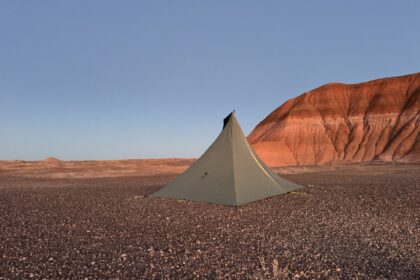
Upgrading to a lightweight tent is the easiest way to slash pack weight. (Photo: Zoe Gates)
A backpacking tent is usually the biggest, heaviest item in your pack, especially if you’re still using the sturdy model you bought a decade ago. Ultralight models can weigh as little as a pound and pack down to nearly the size of a Nalgene. If you only have the budget to upgrade one item, a new tent can slash your base weight while maintaining the comfort and protection you’re used to.
Gear rec: Durston X-Mid Pro 1
Next, consider your sleep system
The next item to replace is your sleep setup. Older sleeping bags are often bulky and heavy, meaning by swapping yours out sooner rather than later can free up space in your pack for more important things (like snacks) and make it easier to eventually downsize your backpack. A quilt, which eliminates excess fabric and often zippers, can trim your weight even more. Remember to keep temperature ratings in mind to ensure you stay cozy on cool nights.
Gear rec: Katabatic Flex 22
Likewise, upgrading your sleeping pad can make a big difference: UL inflatable pads often take up less space than a 32oz Nalgene and can weigh less than a pound. A closed-cell foam pad like a Therm-a-rest Z-Lite is another option. Just don’t sacrifice comfort in the name of weight savings, unless you’re one of those lucky people who can fall asleep anywhere on any surface. Choose a pad that you find comfortable, has an appropriate R-value for the conditions you camp in, and is compatible with your bag.
Gear rec: NEMO Tensor Elite
Then, dial in your cooking setup
While you certainly can swap your cooking system before other gear, it won’t put as large of a dent in your base weight as a sleeping bag. That said, if you’re lugging around a heavy stove and oversized pot for backcountry meals, consider downsizing. Pouch dinners require fewer tools and utensils than elaborate camp meals, and cold-soaking requires even less. Upgrading to a lightweight canister stove and titanium pots and utensils from your old cookware can make a big difference.
Gear rec: Toaks Stove, SOTO Titanium Pot
Save the backpack for last
Jumping the gun on an ultralight backpack can cause you discomfort on the trail. (Photo: Zoe Gates)
The last item you should upgrade, despite it being the most exciting, is your backpack. Ultralight packs are designed to hold ultralight gear. Not only do they tend to have less volume capacity than traditional packs, but the straps, suspension and frame––if the pack has a frame––are typically designed to carry less weight (in the 25 to 35 lb range).
Conventional (read: heavy) gear might not fit and your ultralight pack. If you overload it, the shoulder straps will dig, the load will feel unstable, and the weight won’t distribute properly. So save your pack upgrade for last or you’ll regret it.
Gear rec: Zpacks Arc Haul Ultra
Going ultralight is a process
There’s plenty more gear you can update to trim weight, even if it won’t make as big of a difference as the big five. Stuff sacks, pillows, bottles, clothing, toiletries, towels, and more may not seem like they make a meaningful difference, but a few grams here and there can add up to big weight savings. Replacing smaller items and ditching unnecessary ones is a process. Swap items as gear wears out.
When upgrading your backpacking kit to an ultralight one, start with the large gear that goes inside your pack, upgrade smaller and lighter items next, and save the new backpack for last. It’s OK to stray from the order a little, say, if you find a great deal on a stove before a sleeping bag. But being mindful of how you upgrade your kit can save you miles of unnecessary discomfort.
The post The Ultralight Upgrade Strategy Every Backpacker Should Know appeared first on Backpacker.