

The post Every Rain Drop appeared first on iRunFar.
Days are longer, the sun warmer — maybe much warmer than it should be this time of year — and the spring wildlife is migrating back into town. In many ways, this winter felt like it never even started. It rained on Christmas Day at 9,302 feet in Silverton, Colorado, and continued to stay warm through the darkest months. The couple of big snowstorms we had were followed by hot and dry weeks that melted it all away. Now that it is officially spring on the calendar, we eagerly hope for precipitation of any kind.
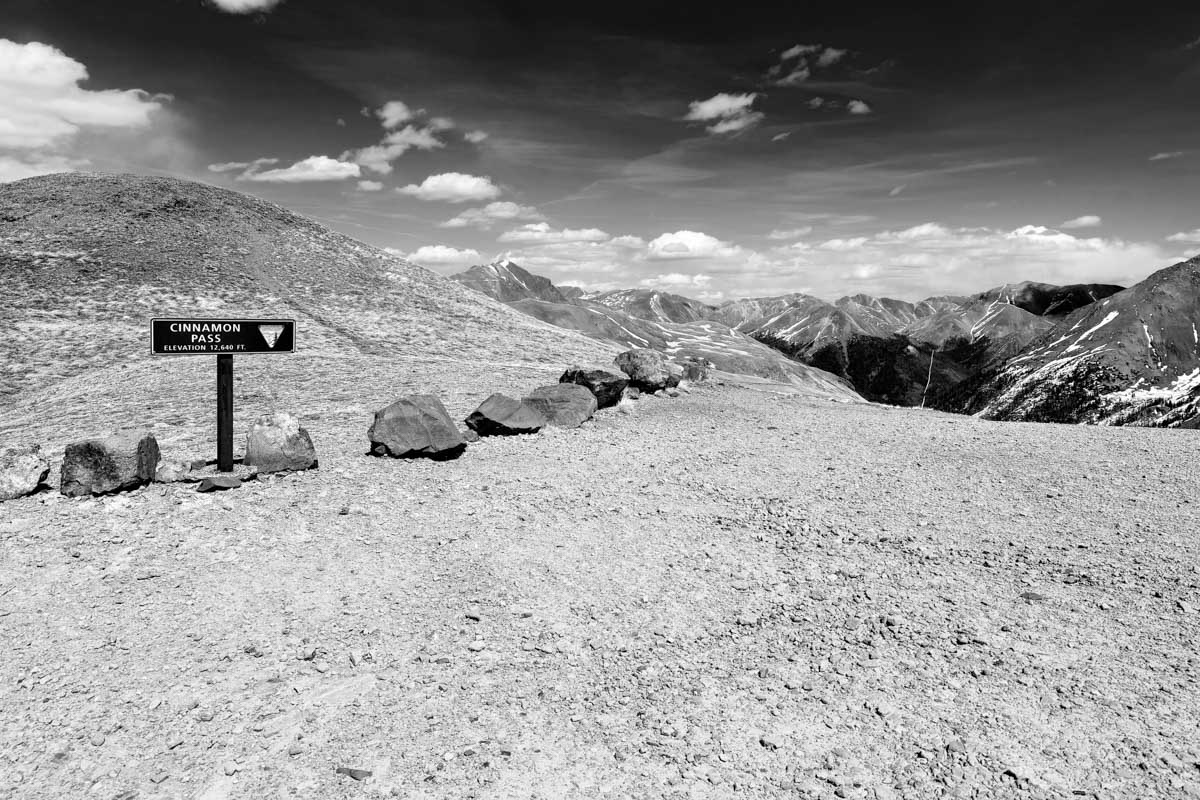
Cinnamon Pass outside of Silverton, Colorado, free of snow in April. All photos: Hannah Green
I walk through a couple of snow patches on the road and exclaim when I reach the top of the pass, “Whoa!” It’s the end of March, and there is no snow on the other side. Normally, you’d only be up here on skis, but here I am in my shorts and running shoes. The mountains, not yet greening up, look more like September with their tan and brown tundra.
Yes, sure, the running has been great this winter, but we all wince a little when we admit that. It feels as though we skipped winter entirely. When I hiked the Continental Divide Trail in 2018, after another very dry winter, I remember fires breaking out throughout the U.S. West as I made my way north from the Mexico border into Montana. A thru-hiker I met thought it would be nearly impossible, in the age of global warming and climate change, to hike a long trail in the West without encountering fire closures and reroutes. And perhaps she was right. And this year will likely be much the same. Each water source is never a guarantee, and no raindrop is taken for granted. The strain is already apparent with local mountain economies struggling after a lackluster ski season.
I’m not trying to be pessimistic, as drought and fires are part of living in this age, especially in the already arid West. Last summer, a megafire — yes, an actual term — raged on the North Rim of the Grand Canyon for nearly three months. Much of the forest needed to burn, but the duration and size of the fire were enormous. As was the destruction to human infrastructure in the area. Nature will take and do what it needs; it just so happens that, for better or worse, we now have a lot of humans in the way.
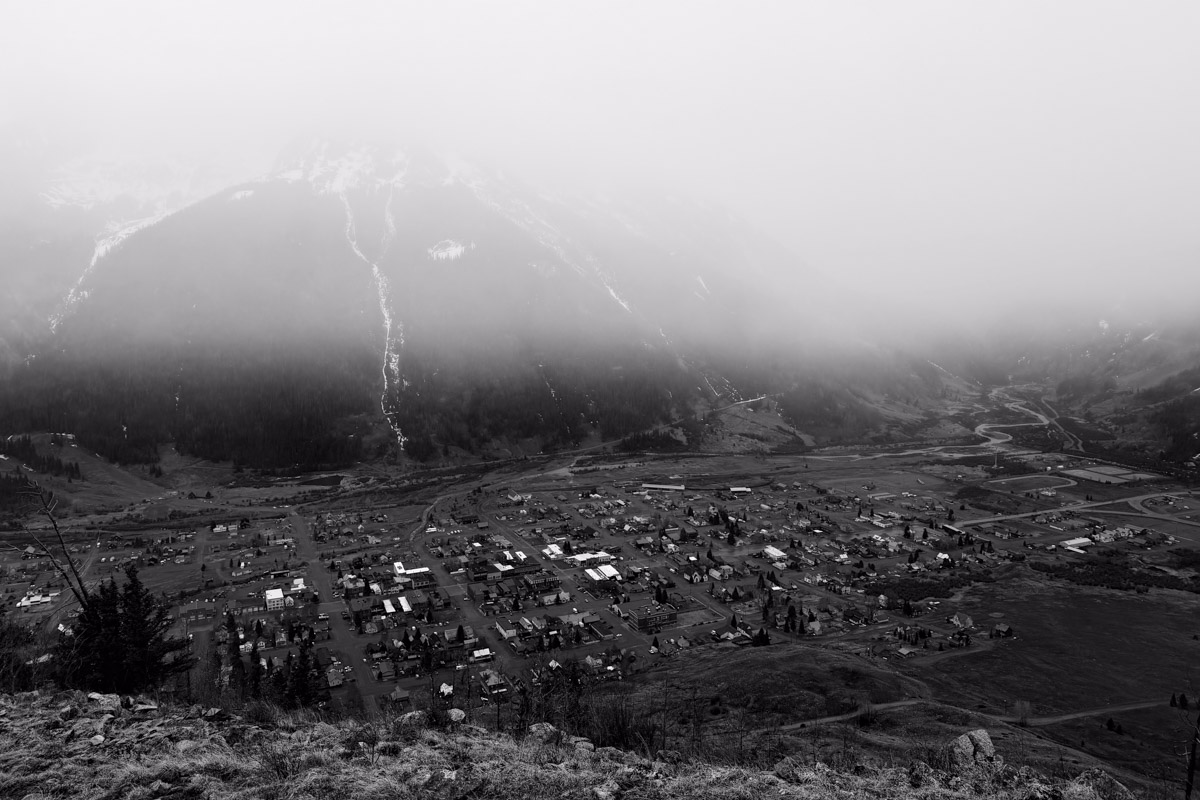
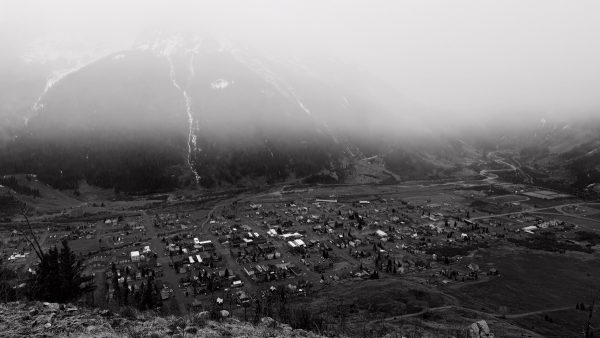
Looking down on Silverton, Colorado, after a winter that never arrived.
Last summer, I was camping in a drainage and saw helicopters flying over in the evening. I had no cell phone service, and therefore no way to know what was happening. But the campfire smell told me. We were in a hot and dry spell, so it wasn’t surprising, but being in a somewhat vulnerable place made me think about how the wildlife deals with such events. They run, they fly, they move, they get out of the way. That’s all you can do, really.
Existing in Gratitude
Last year’s Hardrock 100 was ominous as smoky skies eclipsed Silverton when runners toed the line. Some of my running friends are starting to wonder which races will be affected by wildfires this summer. A bleak outlook in an already bleak world, but every day, despite the threads unraveling, there is always something to be grateful for.
I jog along the river, the sound of the water floods out any errant thoughts and wildfire nightmares. As I near the turnaround, I suddenly hear some very cheerful-sounding birds. They are giddy in the water, hopping around, splashing, and diving. The American dippers, a favorite among my wildlife friends, always bring a smile to my face.
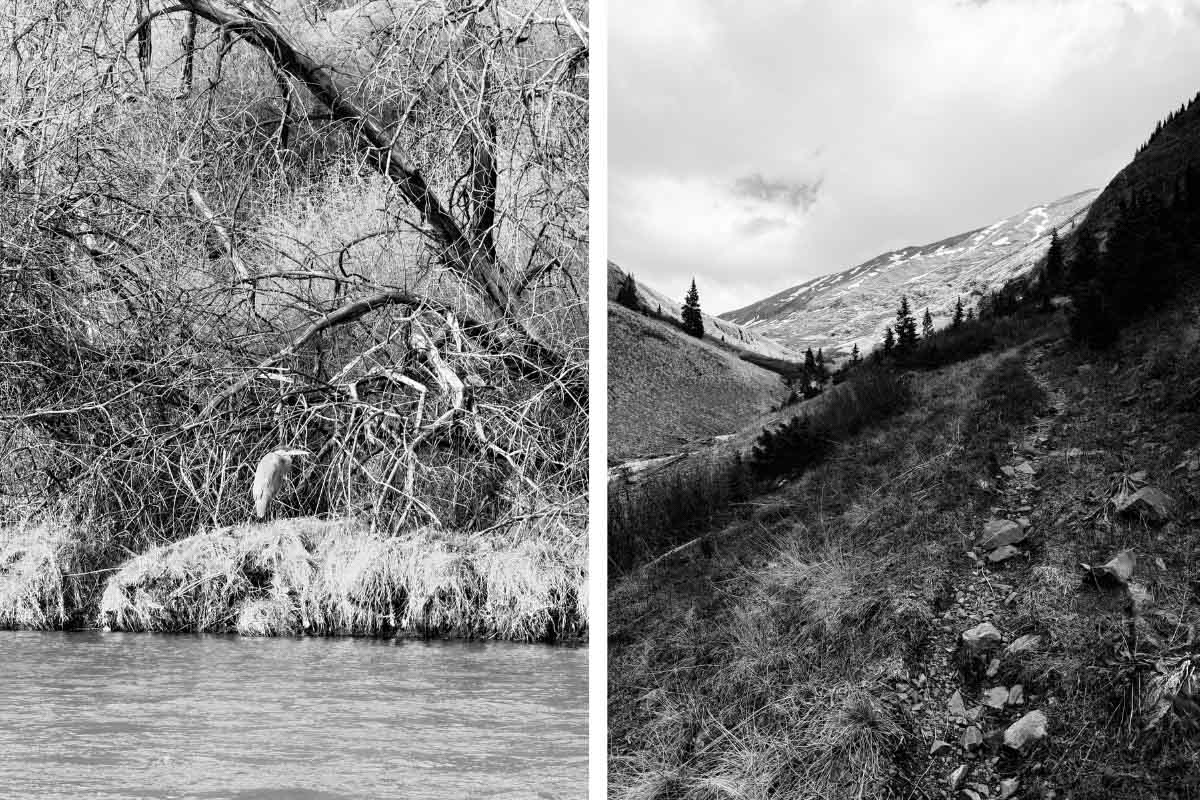
A Great Blue Heron on the riverbank and a dry trail after a lackluster winter.
Later, I bob down the river in my packraft, some friends encouraging me to get on the river while there’s enough water. Normally, the water levels wouldn’t peak until late May, but here we are, with little snow left to trickle downstream. We punch through the rapids and float downstream. Over my friend’s shoulder, I point and exclaim, “GBH!” The acronym for the exquisite creature that is the Great Blue Heron. Its tall, grey body and long beak blend in with the riverside. Running the river, I realize, is a nice change from running the trails. It’s an opportunity to truly soak in the water that is now so, so precious.
One of my friends who loves racing a lot was telling me about a race that didn’t go as planned, but in the end, she was grateful because she learned so much. I think gratitude also translates to caring for and protecting the good things. Whether it’s the earth, our hearts, or the water, we love it because it loves us back.
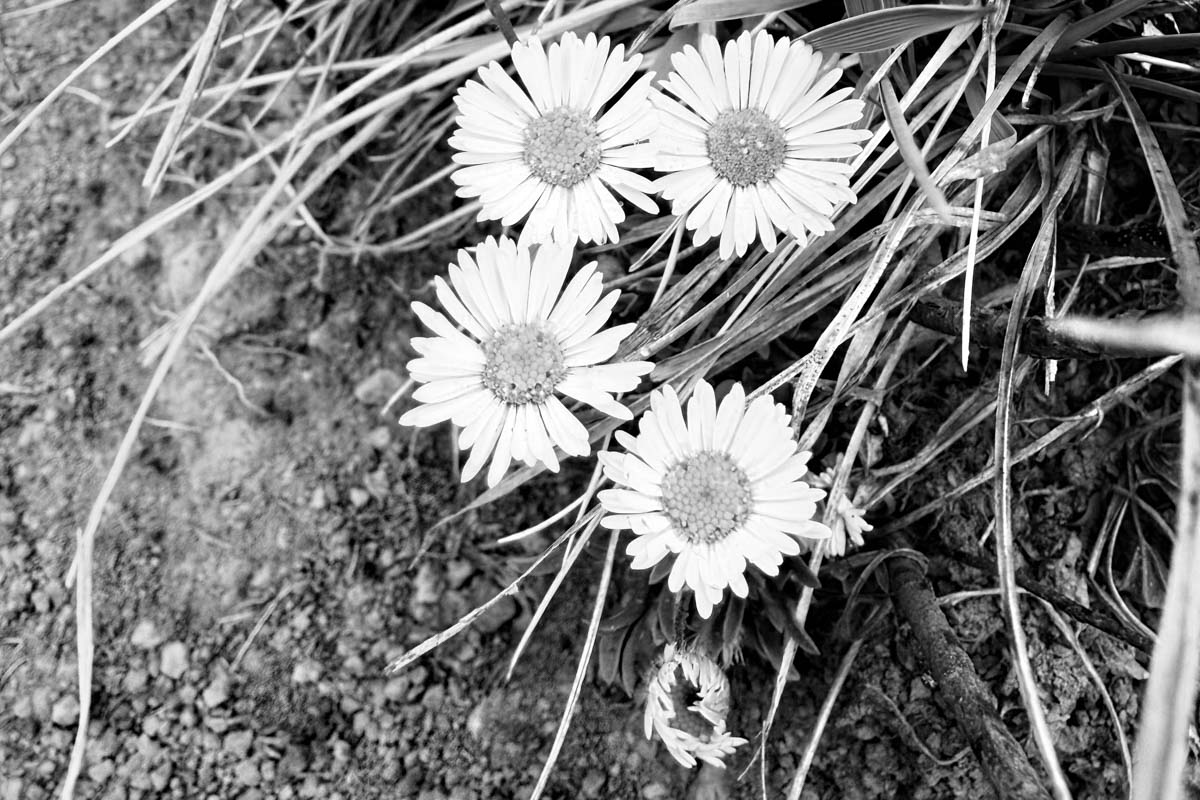
Early spring flowers in the mountains.
Call for Comments
How has your region fared this winter?
Do you make alternate plans for summer hopes that could be derailed by wildfires?
Every Rain Drop by Hannah Green.